

10 Mistakes That Make Lash Extensions Fall Out Faster
Disclosure: Some of the links in this post are affiliate links. This means if you click on the link and purchase an item, I will receive an affiliate commission at no extra cost to you.
You get a fresh lash set, love how full it looks, then start noticing extensions disappearing sooner than expected. A few lashes on your pillow are normal, but watching your beautiful set become noticeably sparse after only a short time can feel frustrating.
Natural lash shedding explains some of that loss. Each natural lash follows its own growth cycle, so extensions will eventually shed with the lashes they’re attached to. However, your everyday habits can also affect how well your set holds up between appointments.
Some of the biggest mistakes that make lash extensions fall out faster happen without you even noticing. Rubbing tired eyes, sleeping with your face against the pillow, skipping regular cleansing, picking at grown-out extensions, and using unsuitable products around the lash line can all create unnecessary problems.
Aftercare matters too, especially when your set is still fresh. My Lash Extension Aftercare: The First 24 Hours Matter guide explains what to do immediately after leaving your appointment and how to care for your lashes once that first-day period ends.
Ahead, we’ll break down 10 common mistakes that make l ash extensions fall out faster, explain why each habit can cause trouble, and show you what to do instead. You’ll also learn when lash shedding is completely normal and when unusually poor retention deserves a conversation with your lash artist.
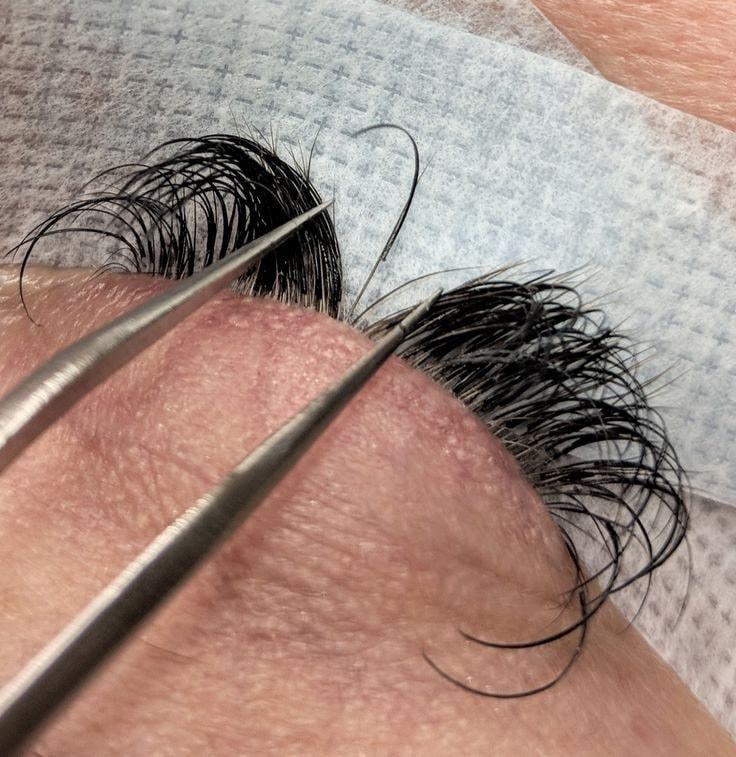
Before You Assume Your Lash Extensions Are Falling Out Too Fast
Seeing a few extensions on your pillow, cleansing brush, or bathroom counter does not always mean you have poor retention. Your natural lashes constantly move through their normal growth cycle. Once a natural lash reaches its shedding stage, the attached extension usually leaves with it.
The concern starts when your set loses noticeable fullness much sooner than expected. You might develop large gaps, lose several extensions without natural lashes attached, or notice one eye becoming sparse quickly.
Before blaming yourself, remember that aftercare is only one part of retention. Application technique, adhesive performance, your natural lash cycle, and environmental conditions can also affect your set.
Still, everyday habits matter. Some mistakes that make lash extensions fall out faster create repeated friction, buildup, or unnecessary pulling.
You might also enjoy this: You might also enjoy this
Understanding those mistakes helps you protect your extensions without becoming afraid to touch or clean them.
10 Mistakes That Make Lash Extensions Fall Out Faster
1. Rubbing Your Eyes Throughout the Day
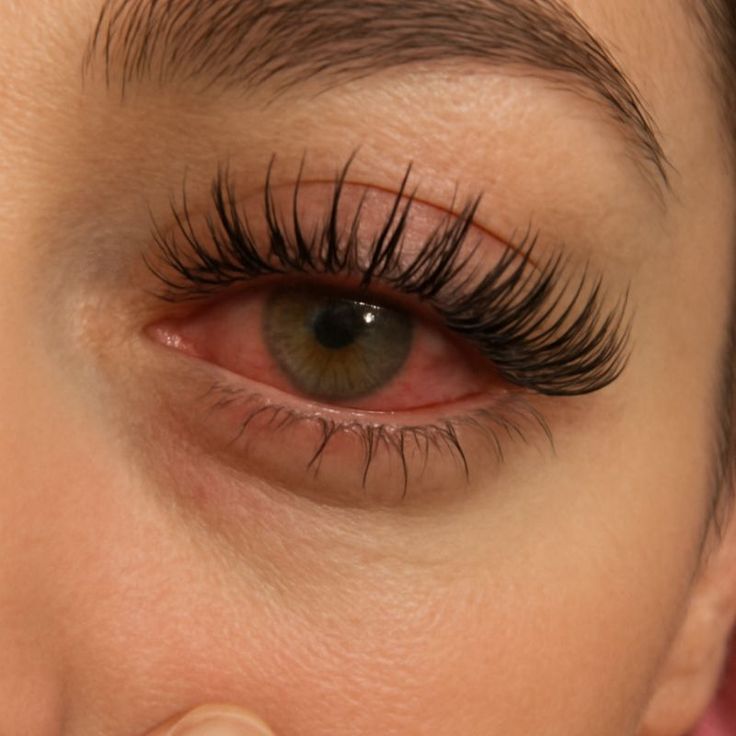
Rubbing your eyes can become such an automatic habit that you barely notice yourself doing it. You wake up and rub them. You rub them when you’re tired. You may even rub them while removing makeup.
Unfortunately, lash extensions don’t appreciate all that friction.
Check this out next: How Often Should You Get a Lash Fill?
Why Rubbing Can Affect Retention
Your extensions sit on individual natural lashes. Repeated rubbing pushes them in different directions and creates unnecessary tension. Your fingers can also catch longer extensions while moving across the eye.
You may pull an extension before the natural lash reaches its normal shedding stage. The problem becomes worse when rubbing turns into a daily habit.
What Should You Do Instead?
Become more aware of when you touch your eyes. If you’re tired, gently press around the surrounding area without dragging your fingers across your lashes.
Watery eyes need gentle care too. Blot tears from the surrounding skin instead of wiping directly across your extensions. Persistent itching deserves attention rather than constant rubbing.
Don’t assume discomfort is simply something you must tolerate because you have extensions.
If you’re new to extensions, Classic Lash Extensions for Beginners: Everything You Need to Know can help you understand what normal wear should feel like.
2. Avoiding Lash Cleansing Because You’re Afraid of Water
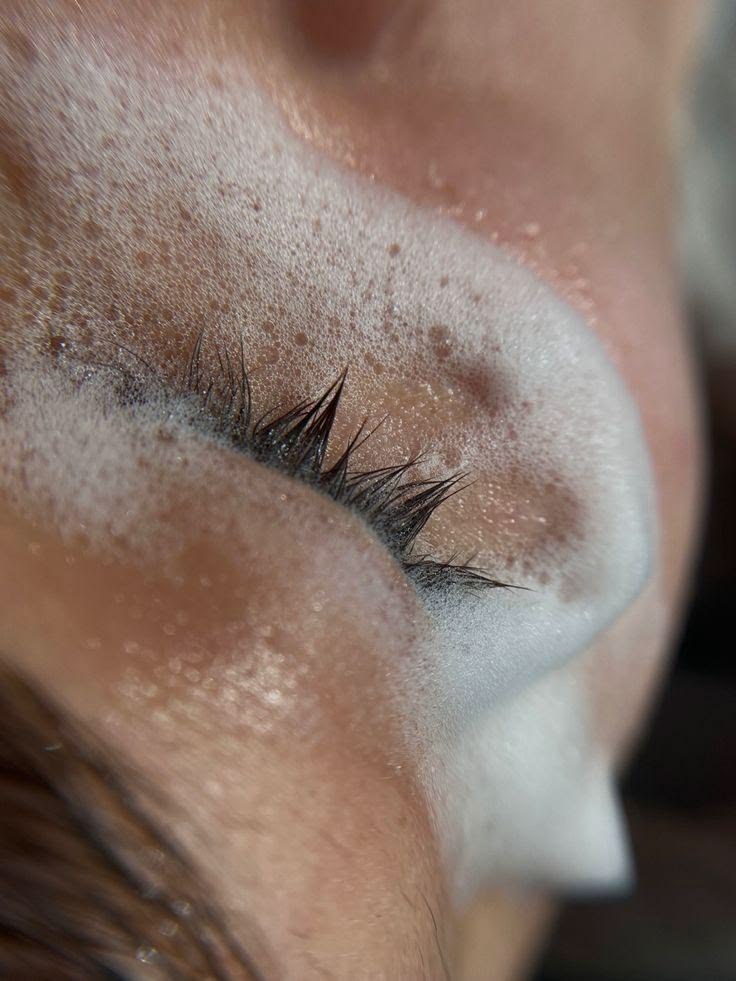
This mistake sounds logical at first. You’ve paid for beautiful extensions, so you become scared that washing them will make them fall out. You start carefully washing around your eyes. Then days pass without properly cleansing your lash line. That isn’t good lash extension aftercare.
Don’t miss this helpful guide: Lash Extension Aftercare: The First 24 Hours Matter
Dirty Lashes Don’t Equal Better Retention
Your skin naturally produces oils. You may also use sunscreen, moisturiser, foundation, concealer, eyeshadow, and other products throughout the day.
Add sweat and environmental buildup, and plenty can collect around your lash roots. Avoiding cleansing doesn’t protect your extensions from all that buildup. After your lash artist’s recommended initial waiting period, regular cleansing should become part of your routine.
Wash Them Gently
Use an appropriate lash cleanser recommended by your artist. Clean around the lash line without aggressive rubbing. Rinse according to the product instructions and gently dry the area.
Someone who wears makeup daily may need particularly consistent cleansing. The same applies if you exercise frequently or naturally have oily skin.
Clean lashes usually look better too. Fans stay fluffier, while textured sets maintain their intended definition.
Read this before you go: Wet Look vs Wispy Lashes: Which Trend Is Right for You?
3. Ignoring the First-Day Aftercare Instructions
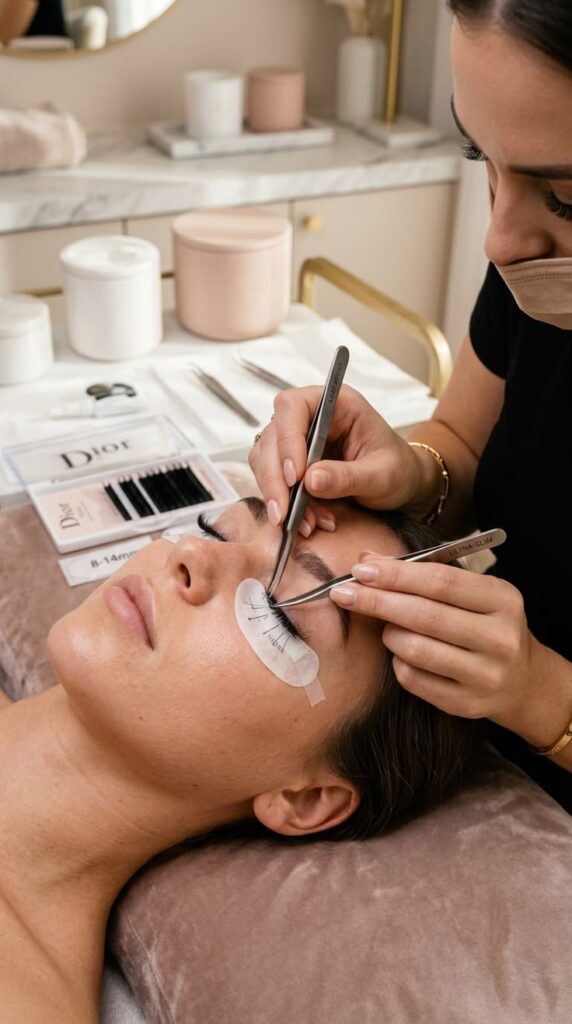
You finish your appointment and immediately return to everything you normally do.
Hot shower?
Gym session?
Steamy bathroom?
No problem, right?
Not necessarily.
Your artist may have specific instructions based on the adhesive and curing system used during your appointment.
Follow Your Own Lash Artist’s Advice
Traditional advice often tells clients to avoid water for the first 24 hours. However, modern adhesives and curing techniques vary. Some artists may allow water exposure sooner.
You’ll love this too: What Are Wet Look Lash Extensions?
That’s why you should follow the instructions given at your appointment instead of relying on one universal internet rule. If your artist tells you to avoid water and steam for a certain period, follow that recommendation.
Plan Around Your Appointment
Take your shower before heading to the salon. Complete your workout earlier in the day. Avoid scheduling a sauna immediately afterward. Small changes make your first day much easier.
After the recommended waiting period ends, don’t continue avoiding water unnecessarily. My complete Lash Extension Aftercare: The First 24 Hours Matter guide explains how your routine should change after leaving the salon.
4. Picking or Pulling at Grown-Out Extensions
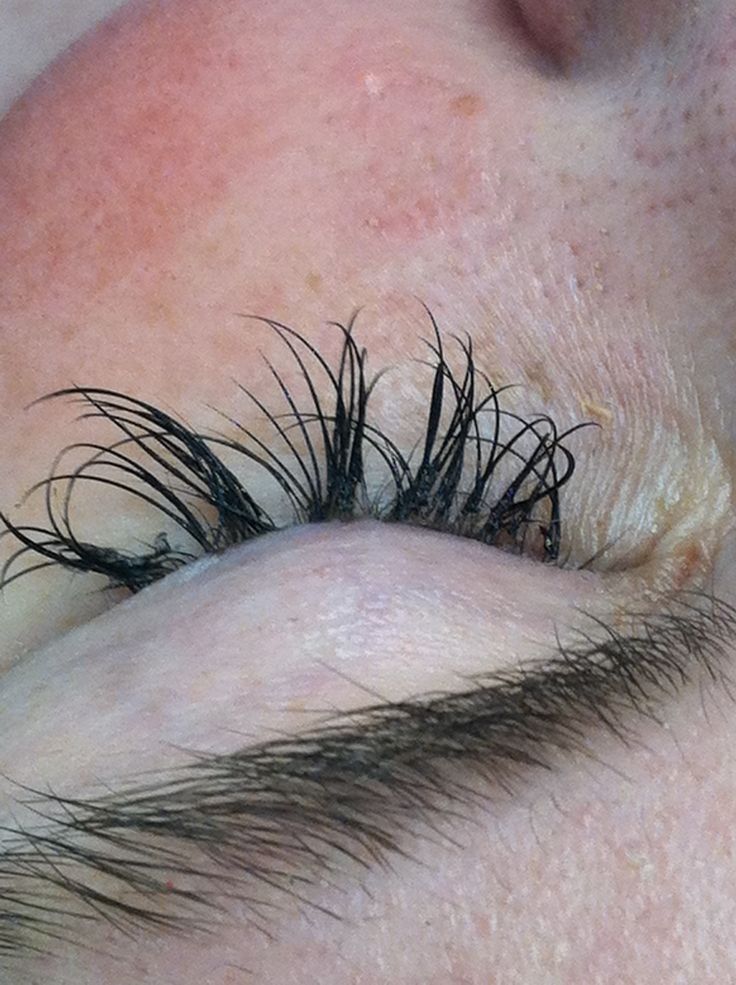
That one crooked extension can test your patience. It may twist slightly. It might sit lower than the others. You notice it every time you look in the mirror. Then you decide to pull it.
This is one of the mistakes that make lash extensions fall out faster that can directly affect your natural lashes too.
The Extension May Still Be Attached
A grown-out extension can remain firmly attached to its natural lash. Pulling on it may place force on that lash before it’s ready to shed. You aren’t simply removing artificial fibers. You could pull at your natural lash too.
Repeated picking can eventually leave areas looking thinner.
Don’t Peel Off Your Set at Home
The same rule applies when you’re tired of your extensions. Don’t sit in front of the mirror and start peeling them away. Book a professional removal instead.
Your lash artist can use an appropriate remover to break down the adhesive without you pulling at your natural lashes. Want to change styles? Discuss it during your appointment.
You can move toward 15 Hybrid Lash Extension Ideas You’ll Want to Screenshot without ripping off your existing set first.
5. Sleeping With Your Lashes Pressed Into the Pillow

You spend several hours sleeping every night. That makes your sleeping position more important than you might think. Stomach sleeping can press your lashes directly against the pillow. Side sleepers may also notice more friction on one eye.
Friction Happens Night After Night
Your extensions can rub against the pillowcase as you move. One night may not make an obvious difference. Repeated friction every night can become more noticeable. You may even find that one eye consistently looks thinner before your fill appointment. Think about which side you normally sleep on. That simple observation can sometimes explain uneven retention.
Try a Smoother Sleeping Setup
Back sleeping keeps your eyes away from the pillow. Side sleeping can also work when your face isn’t pressed deeply into the fabric. A silk or satin pillowcase may provide a smoother surface and help minimize friction.
Don’t force yourself into an uncomfortable sleeping position all night. Simply reduce direct pressure where you reasonably can. Longer styles can make this particularly useful because they may contact your pillow more easily.
Discover more here: How Long Do Classic Lash Extensions Really Last?
6. Leaving Sweat on Your Lashes After Working Out

Being a gym girl doesn’t mean you can’t have beautiful lash extensions. Skipping post-workout cleansing creates the bigger problem. A hard workout can leave sweat across your forehead, temples, and eye area. You may also have sunscreen or skincare on your face.
Sweat and Buildup Need Cleaning
Once you’re outside your artist’s initial waiting period, don’t leave heavy sweat sitting around your lash line all day.
Clean your extensions after a sweaty workout using your normal lash-safe routine. You don’t need to scrub. Gentle cleansing is enough. Also avoid wiping sweat aggressively across your eyes during exercise. Use a clean towel around your forehead and surrounding areas instead.
Think About Workout Timing
Try not to schedule your hardest workout immediately after a fresh lash appointment. This matters especially when your artist has told you to avoid moisture for several hours. Train before the appointment or move your workout to another time.
Afterward, return to your normal exercise routine. Your extensions shouldn’t stop you from living your life. They simply need appropriate care.
7. Using Makeup That Is Difficult to Remove

Lash extensions can reduce how much eye makeup you need. Still, you may enjoy eyeliner, eyeshadow, concealer, and other products. The issue isn’t automatically wearing makeup.
The problem comes when products become difficult to remove without rubbing your extensions.
Be Careful With Mascara
Most extension sets already provide the length and definition mascara normally creates. Adding regular mascara can make extensions harder to clean. It may also change the appearance of fluffy fans.
Imagine getting a beautiful volume set and then coating those delicate fans until they stick together. You lose the softness that made the style special.
If fullness is your goal, 20 Volume Lash Ideas for a Full, Fluffy Look shows plenty of ways to achieve it through extensions alone.
Never Sleep With Eye Makeup On
Remove your makeup before bed. Work gently and avoid dragging rough materials through your extensions. Then cleanse your lash line so makeup residue doesn’t remain around the roots overnight.
Your goal isn’t avoiding makeup completely. It’s choosing products and removal methods that fit comfortably into your extension routine.
8. Using the Wrong Products Around Your Lash Line
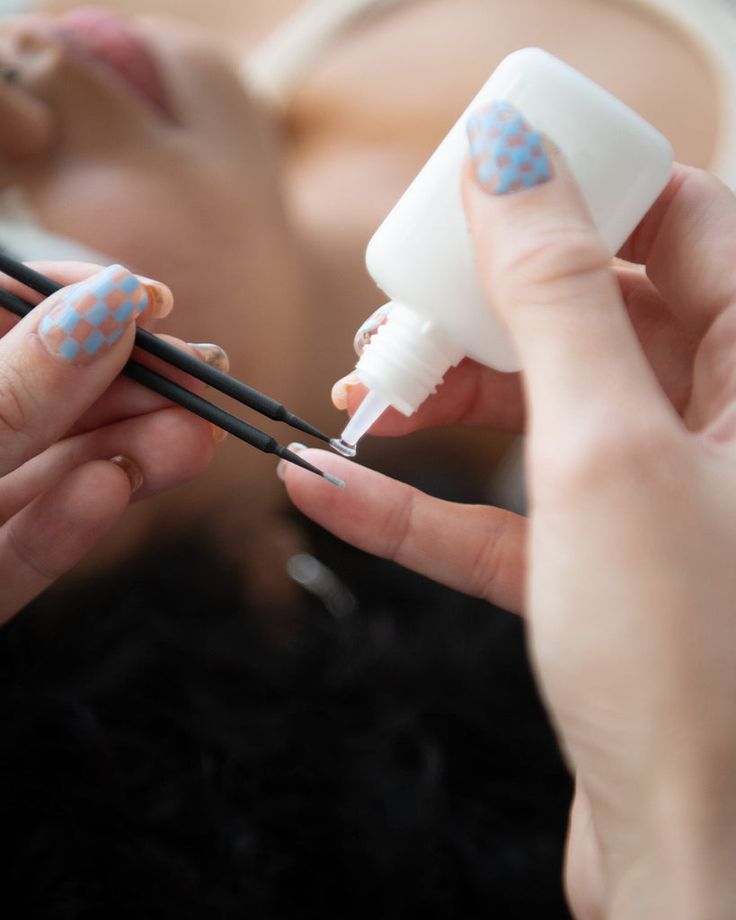
Skincare can quietly become part of your retention problem. Eye creams, moisturizers, makeup removers, and cleansing products all sit close to your extensions. Some formulas can also leave considerable residue.
Ask Your Artist About Product Compatibility
You’ve probably heard that extensions require oil-free products only. Product compatibility can be more nuanced because adhesives and professional aftercare recommendations vary.
Ask your own lash artist what they recommend. They know which adhesive system they used. They may also suggest cleansers or makeup removers that work well for their clients.
Don’t Coat Your Lash Roots in Skincare
Apply eye products where you actually need them. You don’t need to massage heavy cream directly into the lash roots. Be mindful when using cleansing balms too. Whatever skincare routine you follow, keep your extensions properly cleansed afterward.
If you prefer lighter extensions that still give everyday definition, 10 Natural Classic Lash Extension Ideas for Everyday Wear offers plenty of subtle inspiration.
9. Brushing Your Extensions Too Aggressively
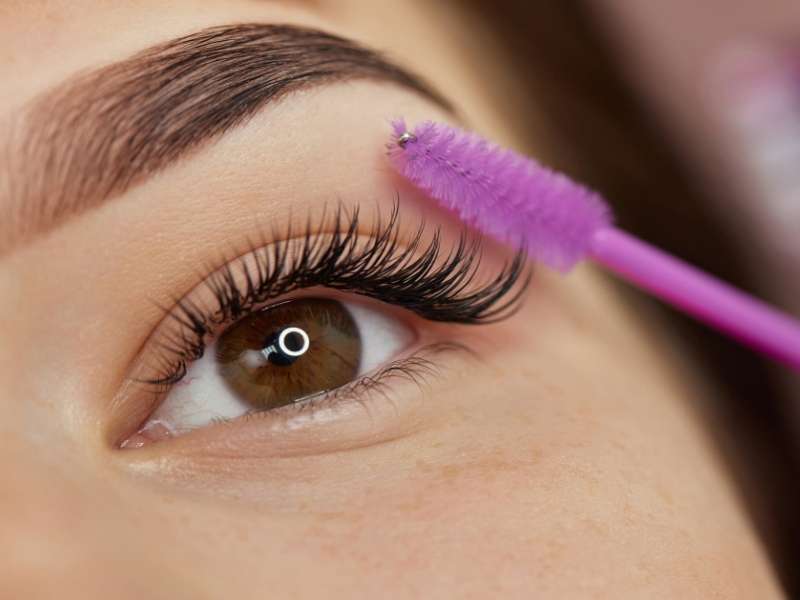
Brushing helps extensions look neat. Over-brushing doesn’t make them healthier. Some clients carry their spoolie everywhere and brush their lashes constantly.
Others push the brush aggressively through the roots. Neither habit is necessary.
Once or Twice Daily May Be Enough
For many people, gentle brushing once or twice each day keeps extensions tidy. Your lash artist may recommend something slightly different for your particular set. Use a clean spoolie and gentle movements.
Don’t dig the brush into the adhesive area. You’re simply helping the extensions sit neatly.
Brush According to Your Lash Style
Different designs create different textures. Classic lashes usually have more individual separation. Volume extensions rely on lightweight fans. Wispy styles use planned spikes and changing lengths.
A rough brushing technique can disturb the appearance you’re trying to maintain. If you love textured extensions, 25 Wispy Lash Extension Ideas for a Soft Glam Look can help you choose your next style.
10. Waiting Too Long Between Fill Appointments
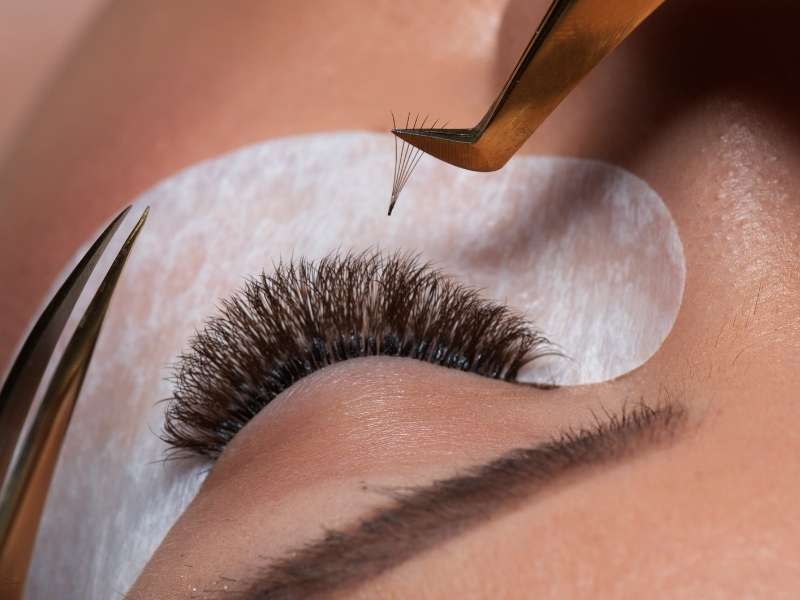
No aftercare routine can stop your natural lashes from shedding. Even the cleanest, most carefully maintained set gradually loses fullness. That’s exactly why fill appointments exist.
Your Lash Map Changes as Natural Lashes Shed
Imagine starting with a beautifully balanced cat eye. Over several weeks, extensions disappear as natural lashes shed. The longest areas may lose coverage.
One side may become thinner. Your carefully designed shape gradually changes.
A fill allows your artist to restore that balance.
Don’t Wait Until Almost Everything Has Gone
Many clients schedule fills around every two or three weeks. Your personal schedule may differ depending on your shedding cycle and retention.
Waiting much longer may mean you no longer have enough extensions remaining for a standard fill. Your artist may recommend a new full set instead. Regular appointments can also help identify patterns.
If one section repeatedly loses extensions faster, your artist may adjust the mapping or investigate possible causes.
What If You’re Doing Everything Right and Your Lashes Still Fall Out?
You clean your lashes. You don’t rub them. You keep your hands away. You attend fills. Yet your retention still seems poor. Don’t immediately assume you’ve failed. Aftercare is only one part of the equation.
Your Natural Lash Cycle Matters
Every natural lash grows independently. Some may have been close to shedding on the day of your appointment. Those lashes could fall shortly afterward with perfectly attached extensions still on them.
You may also experience periods when natural shedding seems more noticeable. That’s different from adhesive failure.
If you’re unsure what normal retention looks like, How Long Do Classic Lash Extensions Really Last? explains why extensions don’t all disappear at the same time.
Application Technique Matters
Your lash artist also influences retention. Correct attachment matters. Extension weight matters. Adhesive use matters. Temperature and humidity during application may matter for certain adhesives too.
Your artist needs to work with the natural lashes you actually have. A reference picture should inspire the final design, not force an unsuitable set onto delicate lashes.
Lash Weight Matters
Bigger doesn’t automatically mean better. Your natural lashes need to safely support the extensions applied to them. This becomes especially important when choosing fuller styles. Volume fans use multiple very fine extensions, so proper fan construction and weight calculation matter.
Understanding Volume Lash Extensions: What Makes Them Different? can help you see why professional customisation matters.
Your Daily Habits May Affect One Eye More
One eye losing lashes faster can feel strange. Look at your routine. Do you always sleep on that side? Does that eye water more frequently? Do you touch it while working?
Do you hold your phone against that side of your face? Tiny repeated habits can create noticeable differences over time. Mention uneven retention at your next appointment instead of trying to hide it. Your lash artist may spot something you’ve missed.
How to Tell Normal Shedding From Possible Retention Problems
Knowing what actually fell out can provide useful clues.
Look at the Shed Extension
If you see an extension with a natural lash attached, natural shedding may explain the loss. Your natural lash simply reached the end of its cycle. You can’t prevent that with better cleansing or a satin pillowcase.
If numerous extensions fall without natural lashes soon after application, contact your artist. Don’t diagnose the cause yourself. Give them a chance to assess what happened.
Pay Attention to the Pattern
One lost extension means very little.
Large gaps appearing quickly deserve more attention.
Sudden loss across both eyes may indicate something different from gradual shedding over several weeks.
One eye becoming sparse can point toward daily habits or another local factor.
Patterns provide more information than counting every extension that falls.
Can Your Lash Style Affect How Quickly Shedding Becomes Noticeable?
Yes, although that doesn’t necessarily mean one style always has better retention. Some designs simply make gaps easier to notice.
Classic Lashes
Classic sets use individual extensions, so losing several lashes from one area may create visible separation. They still remain a beautiful option for clients who prefer natural definition.
If you’re deciding between techniques, Classic vs Hybrid Lashes: Which Looks More Natural? can help you compare their finishes.
Hybrid Lashes
Hybrid sets combine classic extensions with volume fans. The additional texture can sometimes make small gaps less obvious. However, natural shedding still happens.
Volume Lashes
Volume sets use lightweight fans to create greater density. Losing one fan can remove several visible fibers at once, even though only one natural lash has shed. That can make normal shedding look more dramatic than expected.
Wispy Lashes
Wispy designs rely on carefully positioned spikes. When a prominent spike sheds, you may notice the change immediately. That doesn’t automatically mean the set has poor retention. Your eye simply notices the missing focal point.
Wet Look Lashes
Wet sets rely heavily on narrow, defined sections. Those sections make the style beautiful, but losing several can change the texture noticeably.
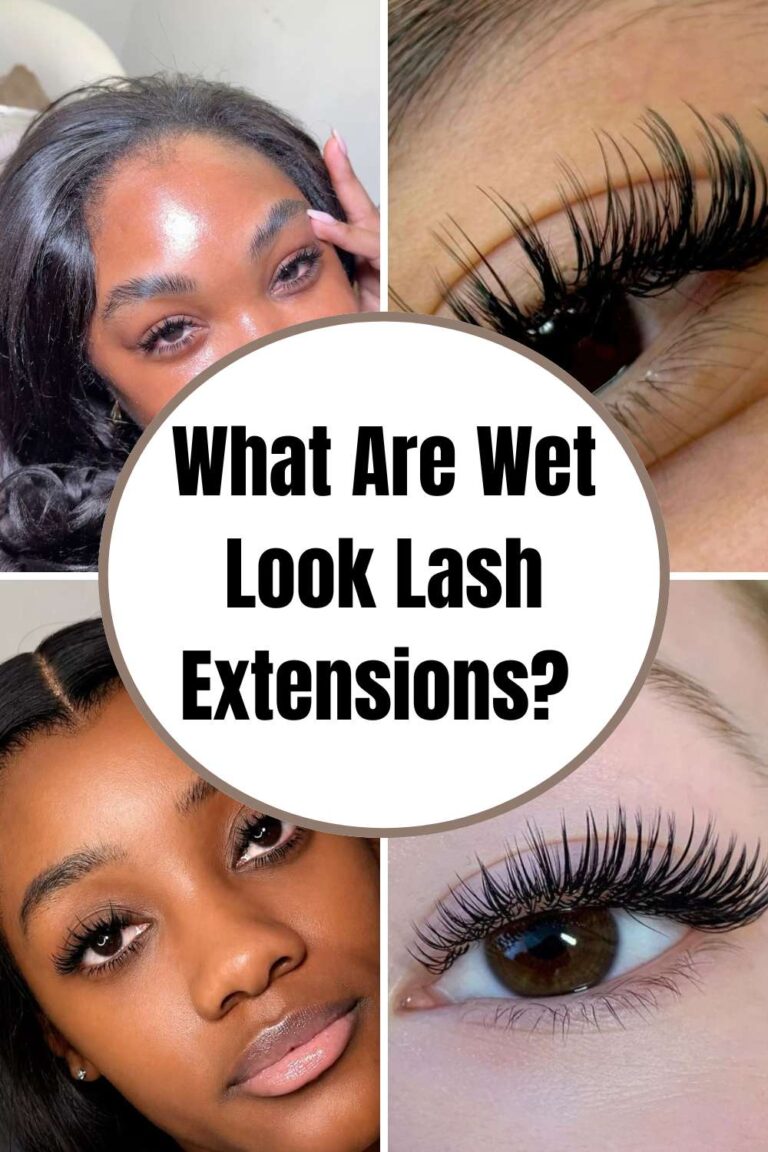
If you’re considering this style, What Are Wet Look Lash Extensions? explains how lash artists create that mascara-like finish.
When Should You Talk to Your Lash Artist?
You don’t need to message your artist every time you find one extension on your pillow. Normal shedding happens. However, significant changes deserve a conversation.
Contact your artist when large areas become sparse unusually quickly. Do the same when many extensions seem to release without natural lashes attached. Explain your routine honestly. Your artist isn’t there to judge you. Accurate information helps them understand what may have happened.
Mention Any Persistent Discomfort
Retention should never become more important than your eye health. Significant swelling, pain, persistent redness, or worsening irritation needs attention.
Contact your lash professional and seek appropriate medical care when needed. Don’t keep uncomfortable extensions because you paid for them. A good lash experience should feel comfortable as well as beautiful.
Final Thoughts
Good retention doesn’t come from protecting your extensions every second of the day. You should still shower. You can exercise. You can wash your face. You can sleep comfortably.
The goal is simply removing the repeated mistakes that make lash extensions fall out faster. Clean your extensions instead of avoiding water forever. Stop rubbing and picking. Be mindful of the products around your lash line. Reduce unnecessary pillow friction. Brush gently instead of constantly.
Most importantly, attend your fill appointments and communicate with your lash artist when something seems unusual. Remember that shedding isn’t automatically a problem. Your natural lashes need to complete their normal growth cycle. Some extensions will leave regardless of how carefully you treat them.
Great aftercare supports your set between appointments. It doesn’t freeze your natural lashes in place. Once you understand that difference, maintaining extensions becomes much less stressful.
Avoid the mistakes that make lash extensions fall out faster, follow the advice given by your lash professional, and keep your routine simple. Your lashes don’t need constant attention. They need clean, gentle, consistent care.

4 Comments