

How Often Should You Get a Lash Fill?
Disclosure: Some of the links in this post are affiliate links. This means if you click on the link and purchase an item, I will receive an affiliate commission at no extra cost to you.
Your lash extensions looked full and perfectly even when you left the salon. A couple of weeks later, you start spotting tiny gaps. One eye might even seem to be losing lashes faster than the other. Naturally, the first thought is usually, Is it already time for another appointment?
This is where understanding your natural lash shedding cycle becomes helpful. The average person can naturally shed around two to five lashes each day. Since extensions attach to your natural lashes, some of those beautiful extensions simply leave when the natural lashes underneath reach the end of their cycle.
However, shedding isn’t the only reason your set changes between appointments. Some natural lashes continue growing while the extension remains attached. Eventually, that extension sits farther away from the lash line and may need professional attention during your fill.
So, how often should you get a lash fill before your once-full set starts looking noticeably uneven? The popular two-to-three-week schedule gives you a starting point, but it doesn’t tell the whole story.
Your natural growth cycle, lash style, aftercare, lifestyle, and even how much of your previous set remains can change the answer.
If you’ve been wondering why your extensions seem to disappear at different times, How Long Do Classic Lash Extensions Really Last? is also helpful for understanding what happens between appointments.
Before automatically booking the same date every month, it helps to know what your lashes are actually doing underneath those extensions. Once you understand that cycle, those little gaps start making much more sense.
What Happens to Your Lashes Between Fill Appointments?
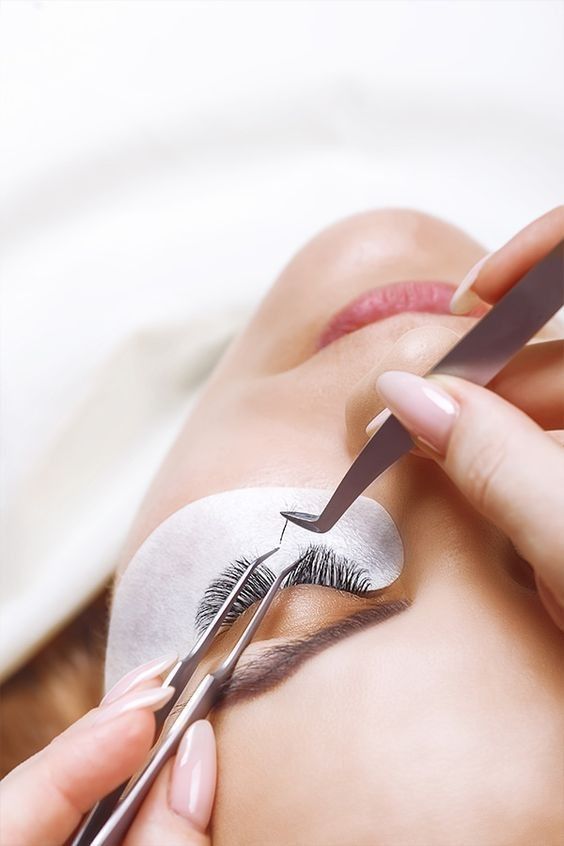
Your lash extensions don’t stay in exactly the same position from the day they’re applied until your next appointment. Your natural lashes continue growing underneath them.
Some lashes grow longer while keeping their extensions attached. Others reach the end of their natural cycle and shed completely. New natural lashes also begin growing in their place. That means your lash line changes a little every day.
The average person may naturally shed around two to five lashes daily. Since an extension attaches to a natural lash, the extension usually leaves when that natural lash sheds.
Another situation happens when your natural lash grows while the extension remains attached. As the natural lash gets longer, the extension moves farther away from the lash line. During a fill, your lash artist can assess these grown-out extensions and remove and replace them when necessary.
Read this next: 10 Natural Classic Lash Extension Ideas for Everyday Wear
This ongoing growth and shedding explains why even excellent retention doesn’t keep a set looking identical forever.
So, how often should you get a lash fill? For many clients, every two to three weeks provides a useful starting point. However, your own shedding pattern, aftercare, lash style, and remaining extensions help determine the right schedule.
Let’s look more closely at what happens between those appointments.
1. Most Lash Fills Are Scheduled Every Two to Three Weeks
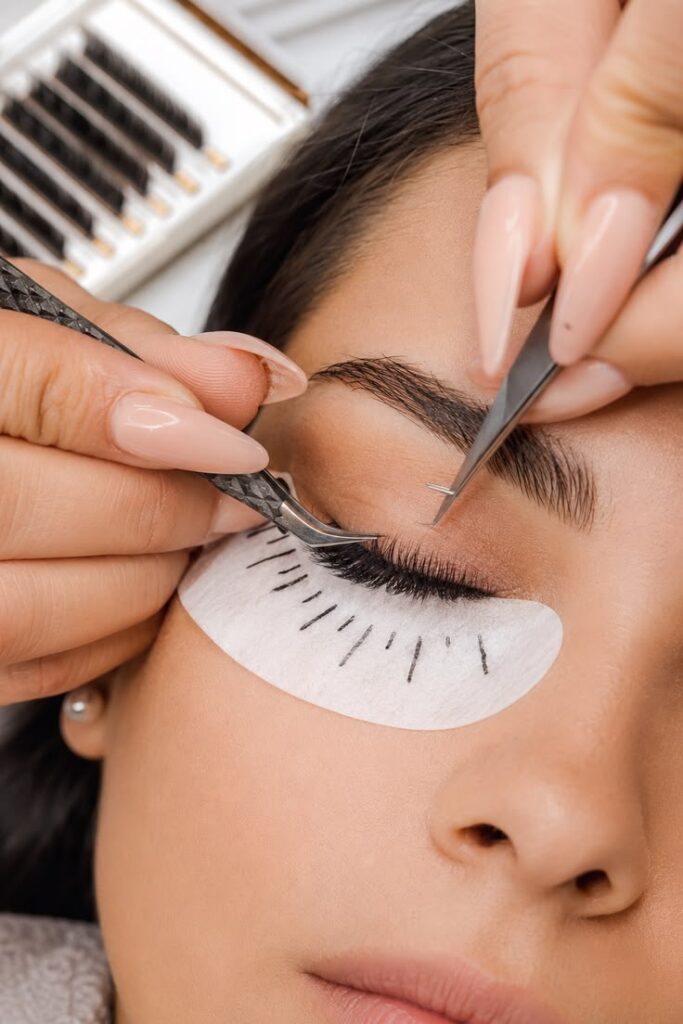
Two to three weeks is a common schedule for lash extension fills.. By this point, you’ve usually experienced some natural shedding. Other extensions may have grown farther away from their original position.
Your set may still look good, but it no longer has the same balance and fullness it had immediately after application.
Why Two Weeks Works for Some Clients
A two-week schedule can work well if you like your lashes looking consistently full. You may also prefer earlier fills if your natural lashes shed quickly or your chosen style shows gaps easily.
Someone wearing a carefully mapped wispy set, for example, might notice missing spikes sooner than someone wearing a softer natural set.
Lifestyle matters too.. Frequent exercise, heavy makeup use, sleeping habits, and your daily cleansing routine can influence how your set looks between appointments.
Why Three Weeks Works for Others
Some clients still have plenty of extensions after three weeks. If your retention remains strong and your artist considers enough of the set suitable for a fill, a three-week schedule may work perfectly well.
However, don’t choose three weeks simply because your friend does. Your lash cycles aren’t identical.
Ask your artist to assess your retention over several appointments. You’ll soon discover whether two, three, or somewhere between those intervals works better.
Open this next: Classic Lash Extensions for Beginners: Everything You Need to Know
2. Your Natural Lash Shedding Cycle Determines a Lot
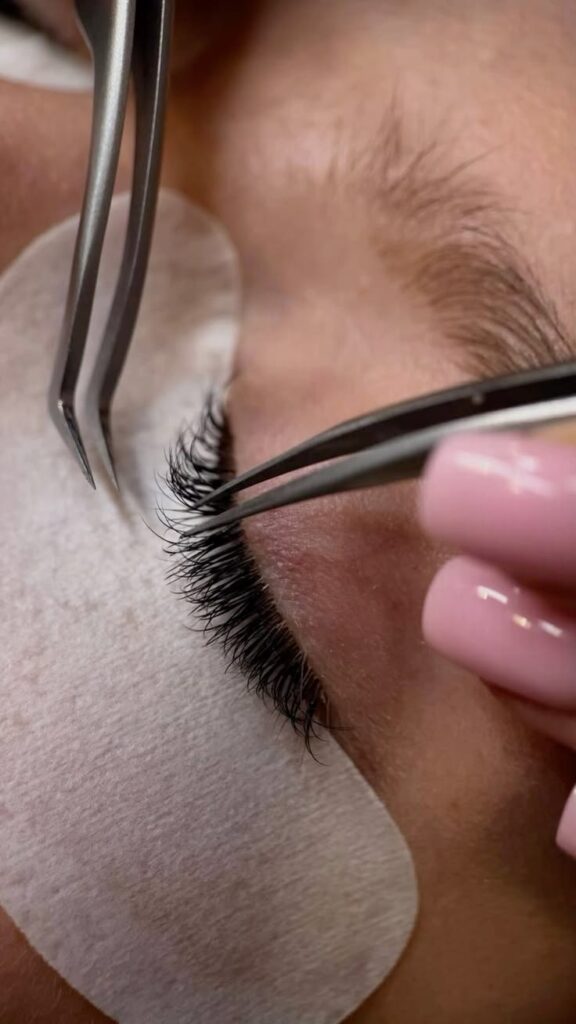
Understanding your shedding cycle answers a large part of the how often should you get a lash fill question. Extensions don’t stop your natural lashes from growing. Each lash continues moving through its normal cycle.
Natural Lashes Don’t All Shed Together
Thankfully, your eyelashes don’t all reach the shedding stage on the same morning. Each lash sits at a different point in its growth cycle. Some are actively growing.
Others have reached a more mature stage. Some are ready to shed. This staggered process helps your natural lash line maintain coverage.
For a closer look at the mixed technique itself, see Lash Extension Aftercare: The First 24 Hours Matter. Once extensions enter the picture, you simply notice shedding more easily because the attached artificial lash makes each fallen natural lash more visible.
Losing Extensions Doesn’t Automatically Mean Poor Retention
You might find an extension on your pillow and immediately worry. Look closely. If a natural lash remains attached to the extension, that loss may simply be part of normal shedding. The natural lash was ready to leave. Your artist cannot permanently glue it in place, and good aftercare cannot stop its normal cycle.
My guide on How Long Do Classic Lash Extensions Really Last? explains this relationship between retention and natural shedding in greater detail.
3. You May Naturally Lose Around Two to Five Lashes a Day
Seeing this number can sound alarming at first. Two to five lashes every day adds up. However, natural lash shedding happens gradually, and not every shed lash will have an extension attached.
Why Shedding Looks More Dramatic With Extensions
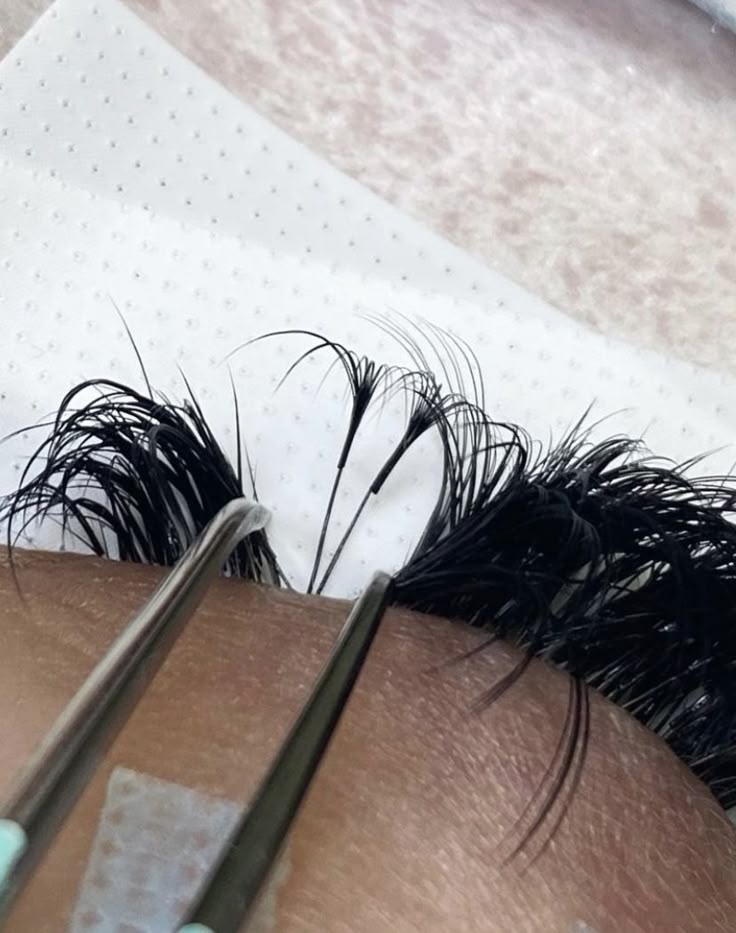
A tiny natural lash may go completely unnoticed. Add a long, dark extension to it, and suddenly you see it on your pillow. That visibility can make you feel like you’re losing more lashes than usual. You may not be. You’re simply noticing them now.
Read this next: Classic vs Hybrid Lashes: Which Looks More Natural?
Don’t Start Counting Every Fallen Extension
Tracking every single lash will probably make your extension experience unnecessarily stressful. Instead, watch the overall appearance of your set. Are small gaps appearing gradually? Does your lash line still look balanced?
Has one eye suddenly become much thinner?. Those patterns tell you more than finding two extensions after washing your face.
4. Some Extensions Grow Out Instead of Falling Out
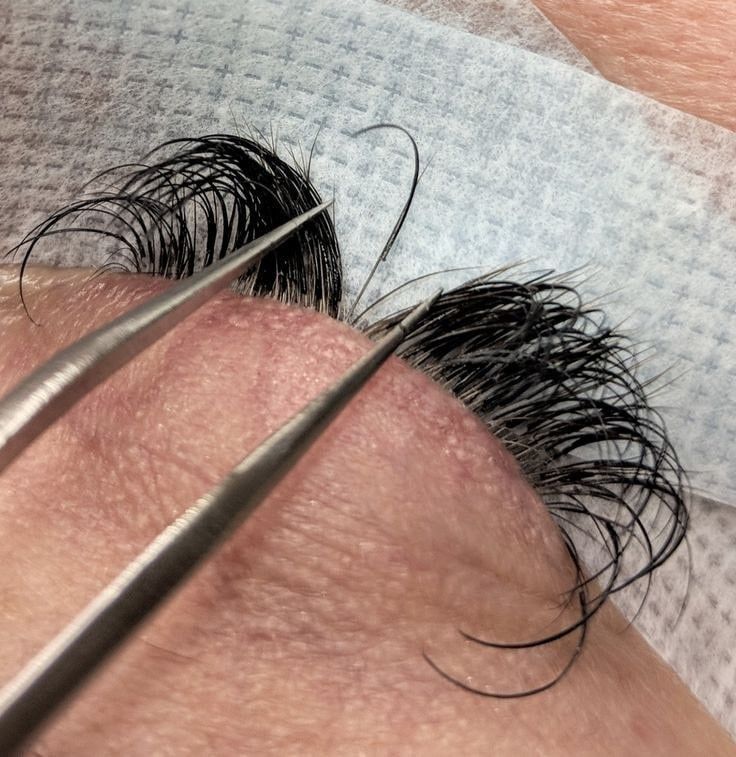
Shedding isn’t the only reason you need fills. Some natural lashes keep growing while the extension remains firmly attached. The attachment point gradually moves farther away from the lash line. Eventually, you have a grown-out extension.
Why Grown-Out Extensions Need Attention
A properly placed extension sits at an appropriate distance from the eyelid when initially applied. As the natural lash grows, that distance increases.
The extension may begin looking uneven compared with neighbouring lashes. It can also twist or become harder to manage as it moves farther along the natural lash.
Don’t pull it off yourself.
See this: 15 Classic Lash Extensions for Hooded Eyes
During your fill appointment, your lash artist can identify grown-out extensions and remove those that need replacing.
Your Fill Is More Than Filling Gaps
This is an important detail. A fill doesn’t simply mean placing new extensions wherever you see an empty space. Your artist assesses the existing set too.
They check which extensions remain properly positioned and which have grown out. Then they replace extensions where needed and add new ones to suitable natural lashes. This helps restore the original balance of your lash map.
5. Waiting Too Long Can Turn a Fill Into a Full Set
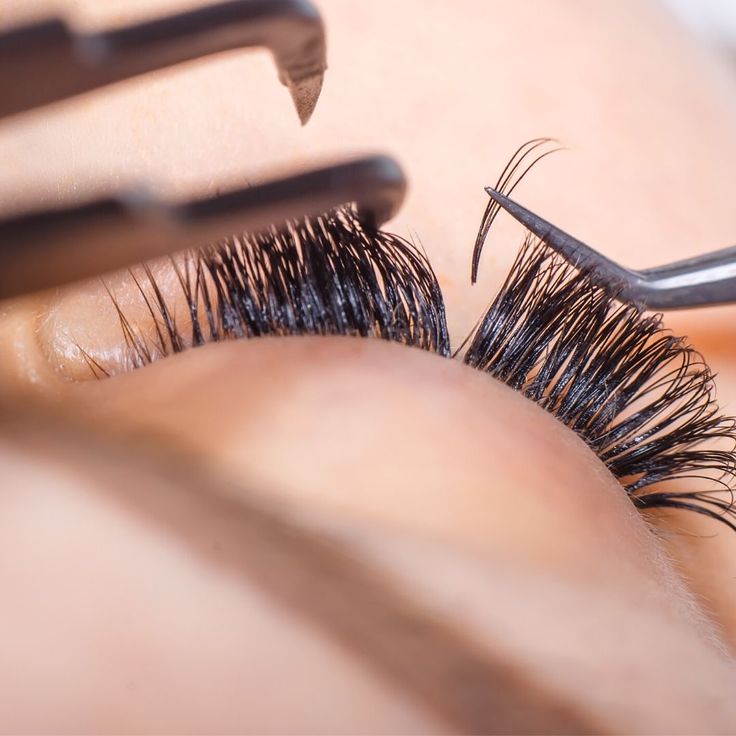
A fill only works when enough suitable extensions remain. Wait too long, and you may arrive with very little of your previous set left. At that point, your artist may classify the appointment as a full set rather than a fill.
Every Salon May Have Its Own Fill Policy
Some artists set minimum retention requirements for refill appointments. Others use appointment timing. For example, they may treat anything beyond a certain number of weeks as a new set.
Ask about the policy before booking. That prevents surprises when you arrive expecting a quick fill but need a longer appointment.
Book Before Your Lashes Become Extremely Sparse
Don’t wait until only a handful of extensions remain. If you know your lashes normally start looking thin during the third week, schedule before that point. A regular appointment pattern makes maintaining extensions much easier.
If early fallout seems to be the problem, Hybrid Lash Extensions Explained: The Perfect Mix of Natural and Glam can help you identify habits that may affect your retention.
6. A Two-Week Fill May Suit Someone Who Loves Very Full Lashes
Your preferred appearance matters just as much as your retention. Some people don’t mind a softer set as extensions gradually shed. Others want that fresh-from-the-salon fullness all the time.
Fuller Styles Can Make Changes More Noticeable
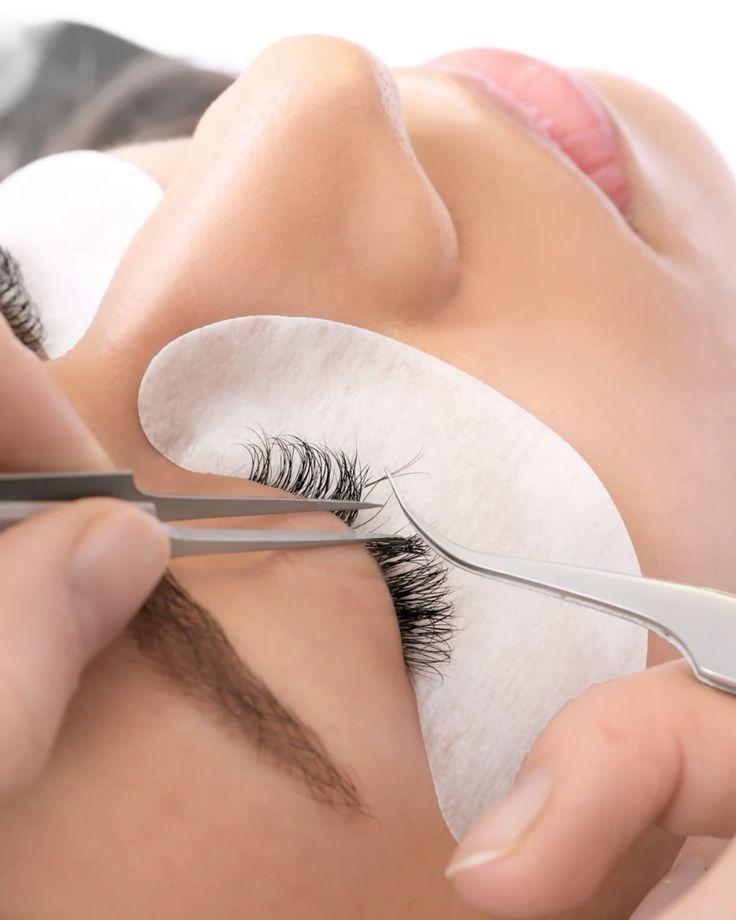
Imagine starting with a dark, dramatic volume set. After a couple of weeks, losing several fans may noticeably change the density. The extensions may still look attractive, but they won’t look as full as they did initially. If that bothers you, shorter intervals between fills may suit you.
Your Lash Style Matters
Volume sets use multiple lightweight extensions within individual fans. They create significant density and softness. When a natural lash carrying a fan sheds, the visible difference can seem greater because several extension fibres leave together.
If you’re considering a fuller style, Volume Lash Extensions: What Makes Them Different? explains how these fans differ from classic application.
7. Wispy Lashes May Show Missing Spikes Earlier
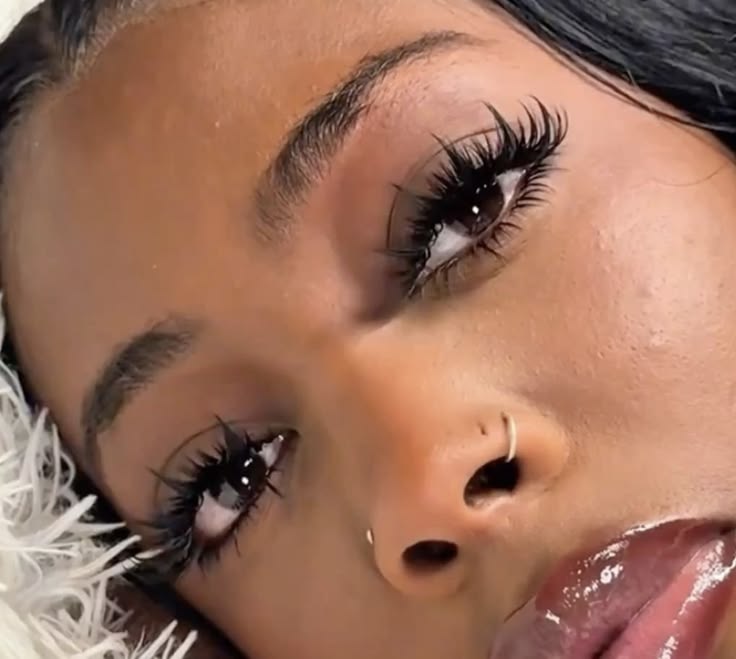
Wispy sets depend on intentional changes in length. Longer spikes sit above the base and create that soft, broken texture. Those spikes become focal points. When one sheds, you might notice the missing piece immediately.
Missing One Spike Can Change the Pattern
This doesn’t necessarily mean your wispy lashes have terrible retention. The missing extension was simply visually important.
A softer base may hide small gaps, while a missing spike changes the outline. Your artist can restore those focal points during a fill.
If this style is on your inspiration board, 25 Wispy Lash Extension Ideas for a Soft Glam Look shows how different spike placements change the finished appearance.
8. Wet Look Lashes Can Also Show Gaps Clearly
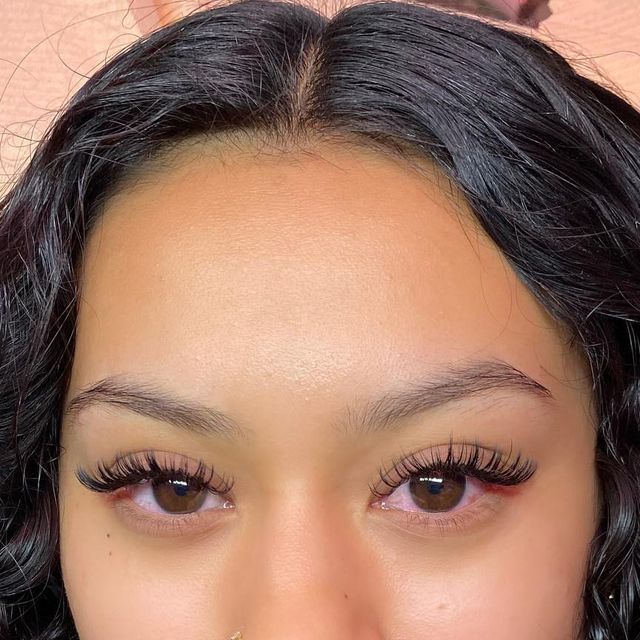
Wet look sets create definition using narrow or closed fans. That creates their distinctive mascara-like texture. As those defined sections shed, gaps can become easier to see.
Texture Changes as Lashes Shed
A fresh wet set has deliberate spacing.After natural shedding, some areas may look more separated than your artist originally intended.Regular fills help restore that controlled pattern.
This is especially useful if you chose wet lashes because you love their dark, clean definition. Not sure how this style works? What Are Wet Look Lash Extensions? explains why closed fans create the signature effect.
9. Classic Lashes Can Have a Different Fill Pattern
Classic extensions usually use a one-to-one technique.One suitable extension attaches to one natural lash.This creates a clean, separated finish.As natural lashes shed, individual gaps can gradually appear.
Classic Sets Make Natural Shedding Easy to Understand
When one natural lash sheds, its extension goes too. You aren’t losing an entire volume fan. That makes the relationship between natural growth and extension loss easier to visualize.
However, enough individual gaps can still make the set look noticeably thinner.If you’re new to the technique, Wet Look vs Wispy Lashes: Which Trend Is Right for You? explains what happens during a classic application.
Natural Sets May Look Softer Between Fills
Clients who choose shorter, subtle extensions may feel comfortable going slightly longer between appointments because the gradual thinning looks less dramatic.
For inspiration, Can You Shower With Lash Extensions? shows how understated classic sets can create definition without excessive fullness.
10. Hybrid Lashes Need Their Balance Restored Too
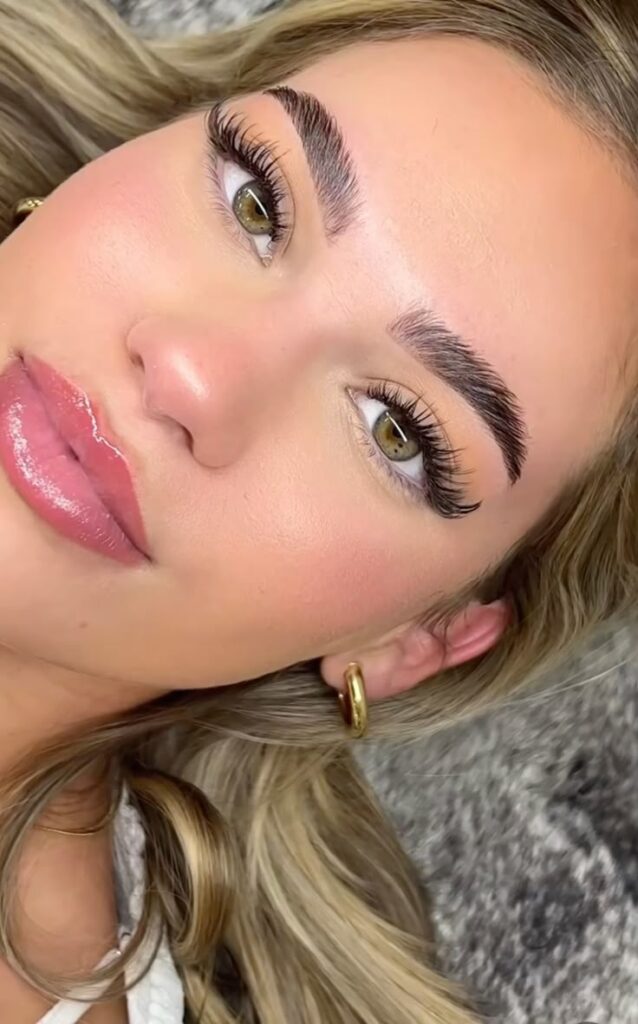
Hybrid sets combine classic extensions with volume fans. That mixture creates texture and fullness without going completely volume.
Natural shedding gradually changes that balance. You might lose fans from one area while several classic extensions remain.
Your Artist Rebuilds the Mixture
During a fill, your lash artist isn’t simply replacing the exact number of fibres that disappeared. They look at the overall design.
They may add fans where fullness has disappeared and individual extensions where more separation is needed. That helps bring the original texture back.
If you’re choosing between techniques, Classic vs Hybrid Lashes: Which Looks More Natural? can help you understand how their finished appearances differ.
11. Good Aftercare Can Help You Reach Your Next Fill Looking Better
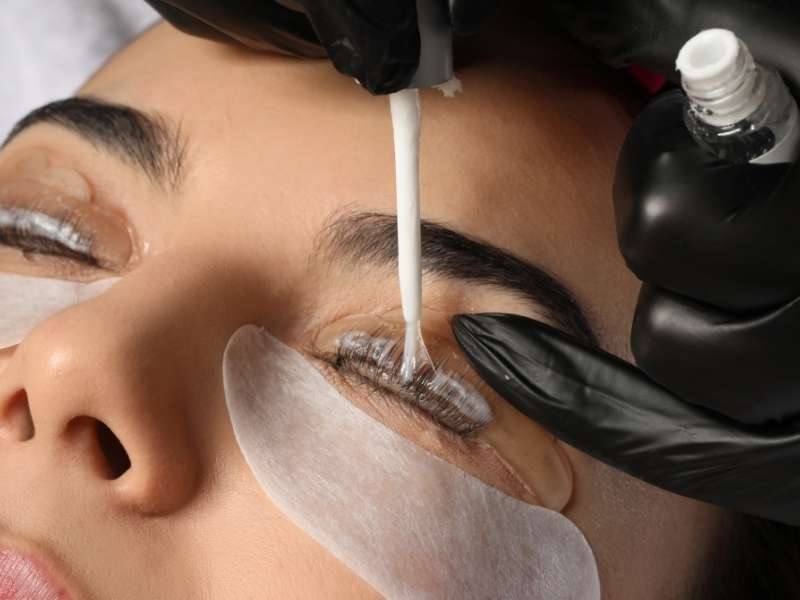
You can’t stop natural shedding. You can avoid unnecessary extension loss. That’s where aftercare becomes important.
Keep Your Lash Line Clean
After your artist’s recommended initial waiting period, cleanse your lashes regularly. This becomes particularly important if you wear makeup, exercise often, or have oily skin. .Don’t avoid washing because you’re afraid of losing extensions. Gentle cleansing belongs in a healthy maintenance routine.
Stop Picking at Grown-Out Lashes
A grown-out extension can feel annoying. Leave it alone. Pulling may place unnecessary force on your natural lash. Let your artist handle grown-out extensions during your refill.
Brush Gently
Use a clean spoolie once or twice daily when needed. Don’t brush aggressively at the roots. You’re simply restoring the shape of your set.
Following Lash Extension Aftercare: The First 24 Hours Matter can also help you establish better habits from the day of application.
12. Showering Correctly Can Support Your Maintenance Routine

You don’t need to keep extensions permanently dry. After your artist’s recommended waiting period, regular cleansing matters. However, how you shower can reduce unnecessary friction.
Keep Strong Water Pressure Away From Your Eyes
Wash your body and hair without directing the showerhead straight at your extensions. Then cleanse your face separately. This gives you more control around the lash line. Avoid rubbing wet lashes with a towel afterward. Let them dry gently before brushing according to your artist’s advice.
For a complete routine, Can You Shower With Lash Extensions? explains how to manage water, hair washing, cleansing, and drying.
13. Your Lifestyle Can Change How Frequently You Prefer Fills
Two clients can receive similar sets on the same day and return looking completely different.
Daily routines matter.
Frequent Makeup Wearers
Eye makeup requires consistent removal If you wear makeup most days, careful cleansing becomes particularly important. Leaving residue around the lash line isn’t a good strategy for extending your fill schedule.
Active Clients
Regular exercise means more sweat around your face. Again, the solution isn’t giving up the gym. Clean your lashes after heavy sweating once you’re outside the initial curing period.
Side and Stomach Sleepers
Repeated pillow friction may make one side look thinner sooner. A silk or satin pillowcase can provide a smoother surface, although it won’t stop natural shedding. Notice your personal patterns. They can help your artist understand why certain areas need more attention at each fill.
14. Your Eye Shape May Influence How You Notice Shedding
Shedding happens regardless of eye shape, but your lash map can make certain missing extensions more noticeable.
For example, a design that relies heavily on length at the outer corner may look different once several outer extensions shed.
Mapping Makes a Difference
A good lash artist chooses lengths and placement based on your natural lashes and desired appearance. As that map loses extensions, your fill restores its intended shape.
Hooded eyes often benefit from thoughtful mapping because curl and length placement can influence how visible the extensions appear.
My 20 Volume Lash Ideas for a Full, Fluffy Look offers several examples of how styling can work with this eye shape.
15. Your Next Fill Should Be Based on Your Own Retention
After several appointments, you should begin recognizing your personal pattern. Maybe your lashes still look fantastic at two weeks. Maybe they start becoming noticeably uneven around day 17. Maybe you comfortably reach three weeks. That information matters.
Take Photos Between Appointments
A quick photo immediately after your fresh set gives you a useful comparison. Take another around two weeks. Then take one before your next appointment.
You don’t need to count individual lashes. Simply compare the overall fullness. This can help you and your artist decide on a realistic schedule.
Don’t Chase Someone Else’s Routine
Your friend may book every three weeks. That doesn’t mean you should. Your natural lash cycles, lifestyles, lash styles, and preferred fullness can differ completely.
The best answer to how often should you get a lash fill becomes more personal once you understand your own retention.
How Do You Know It’s Time for a Lash Fill?
The calendar provides a useful starting point, but your lashes also give clues.
Your Set Has Lost Noticeable Fullness
A few missing extensions are normal. When the overall set starts looking considerably lighter, you’re approaching refill territory.
Your Lash Map Looks Uneven
Maybe one outer corner has lost several extensions. Perhaps the centre no longer has the lift it originally had. A fill restores that balance.
Several Extensions Have Grown Out
Grown-out extensions may sit farther from the lash line or begin twisting. Don’t pull them. Let your lash artist assess and replace them professionally.
If texture interests you more, Wet Look vs Wispy Lashes: Which Trend Is Right for You? compares two popular directions.
You’re Styling Them More to Hide Gaps
If you’re constantly brushing your lashes into different positions to disguise missing areas, it may be time. Your extensions shouldn’t require daily rearranging to look balanced.
What Happens During a Lash Fill Appointment?
A good refill involves more than adding lashes into empty spaces. Your artist first looks at what remains. They assess the condition of the existing extensions and your natural lashes. Grown-out extensions that need replacing can be professionally removed.
Your artist then applies new extensions to suitable natural lashes and rebuilds the original map. This process restores fullness without requiring a completely new set every few weeks.
It’s also an opportunity to discuss changes. Maybe you want something softer. Perhaps you’re ready for more texture. You might even want to move from hybrid into a fuller design.
For inspiration before changing your set, 15 Hybrid Lash Extension Ideas You’ll Want to Screenshot offers several looks you can discuss with your artist.
Final Thoughts
So, how often should you get a lash fill? For many clients, every two to three weeks provides a practical starting point. But your natural lash shedding cycle ultimately plays a major role.
You may naturally lose around two to five lashes each day. When a natural lash carrying an extension sheds, that extension leaves too. Other extensions don’t immediately fall.
Instead, the natural lashes underneath continue growing, moving their attached extensions farther from the lash line. That’s why a fill isn’t simply about replacing missing lashes. Your artist also assesses grown-out extensions, removes those that need replacing, and restores the balance of your original lash map.
Pay attention to your own retention rather than someone else’s schedule. Notice when your set begins losing fullness. Watch for uneven areas and grown-out extensions.
Maintain good aftercare between appointments, but remember that even perfect care cannot stop natural shedding. After a few fills, you’ll probably start recognizing your personal pattern.
That’s when the question how often should you get a lash fill becomes much easier to answer. For some people, two weeks keeps everything looking exactly how they like it. For others, three weeks works beautifully.
The best schedule is the one that respects your natural lash cycle while keeping your extensions healthy, balanced, and looking like the set you originally chose.


3 Comments