

Lash Tinting 101: Everything You Need to Know
Disclosure: Some of the links in this post are affiliate links. This means if you click on the link and purchase an item, I will receive an affiliate commission at no extra cost to you.
If mascara feels like one more step you would happily skip in the morning, lash tinting might sound like the beauty shortcut you have been looking for. Darker-looking lashes can make your eyes look more defined without adding layers of mascara, curling, or touching up throughout the day.
The idea sounds simple, but lash tinting involves more than brushing color onto your lashes and waiting for it to develop. The shade, formula, application technique, preparation, aftercare, and your natural lash color all affect the final result. You also want to understand the difference between lash tinting, lash lifts, and extensions before booking an appointment.
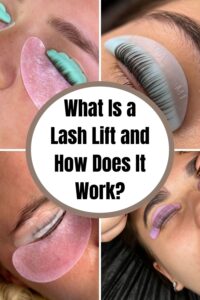
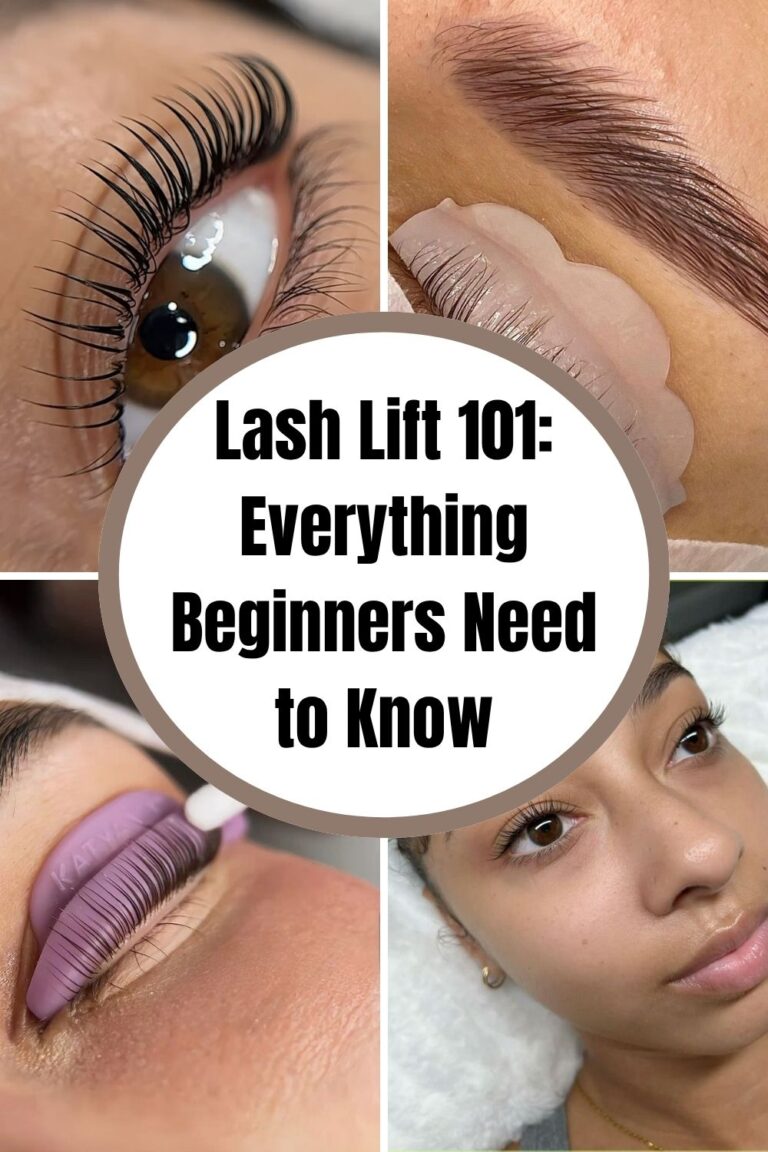
If you are completely new to the world of lash services, you may want to start with Lash Lift 101: Everything Beginners Need to Know before choosing your treatment.
So, let’s break down lash tinting from the beginning. I’ll walk you through how it works, what results you can expect, how long the color lasts, aftercare, possible reactions, and the questions you should ask before your appointment.
What Is Lash Tinting?
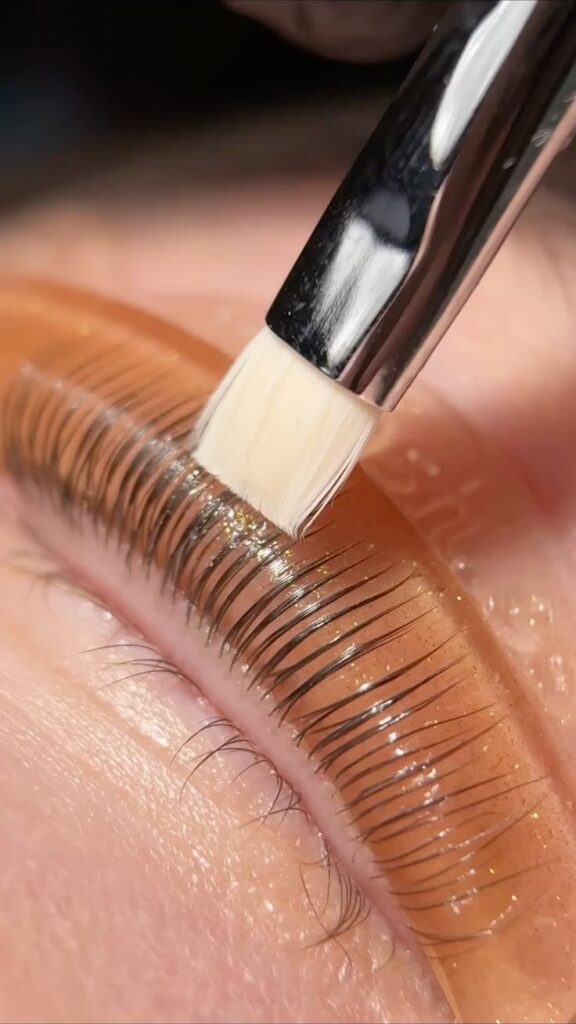
Lash tinting is a beauty treatment that adds color to your natural eyelashes. A professional applies a tint designed for lashes and allows it to develop for a specific amount of time.
The goal does not involve making your lashes longer. Instead, lash tinting makes the existing hairs look darker and more noticeable. That distinction matters.
Your lashes may look fuller after lash tinting because darker hairs stand out more clearly. However, the treatment does not actually increase lash density or change the number of hairs you have.
For someone with naturally blonde, light brown, reddish, or lighter-tipped lashes, the difference can look especially noticeable. Darker lashes also create more definition around the eyes, even when you skip mascara.
Think of lash tinting as adding color rather than adding lashes.
Save this guide: Lash Lift 101: Everything Beginners Need to Know
How Does Lash Tinting Work?
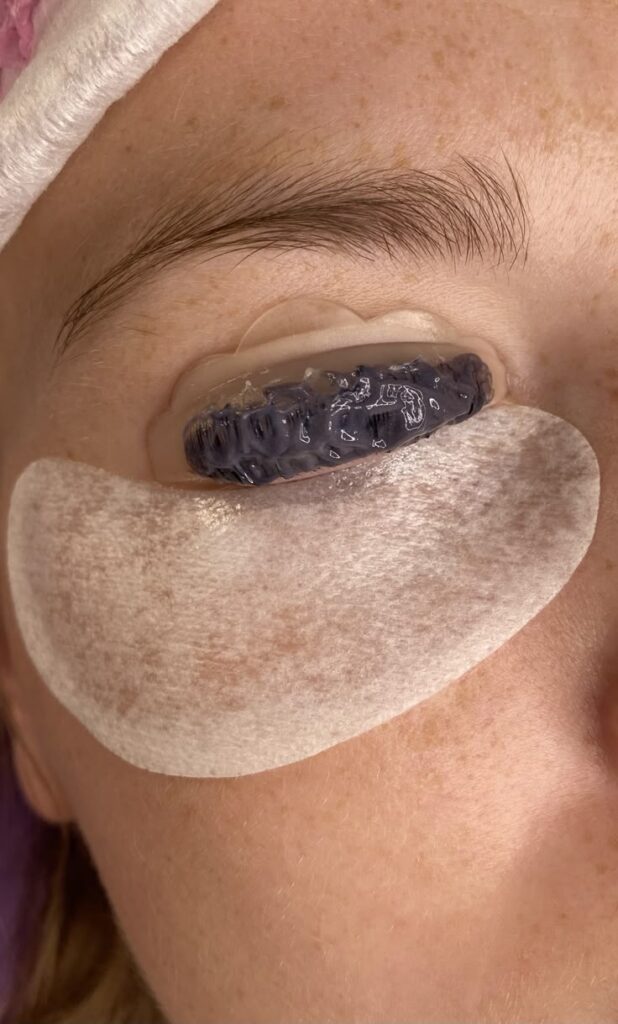
A typical lash tinting appointment follows several preparation and application steps. First, the lash area gets cleaned. Your technician needs a clean surface so makeup, oil, skincare, and debris do not interfere with the treatment.
Next, the technician protects the surrounding skin and positions appropriate eye-area protection. The tint then goes carefully onto the lashes.
The product develops for a controlled amount of time. Your technician checks the color and removes the tint thoroughly once the desired depth develops.
The entire service usually feels more like a beauty appointment than a complicated procedure.
Still, the eye area requires extra care. Good technique matters because the tint needs to stay on the lashes rather than migrate into the eyes or irritate nearby skin.
Open this next: Best Faux Mink Strip Lashes for a Natural Look
What Does Lash Tinting Do to Your Lashes?
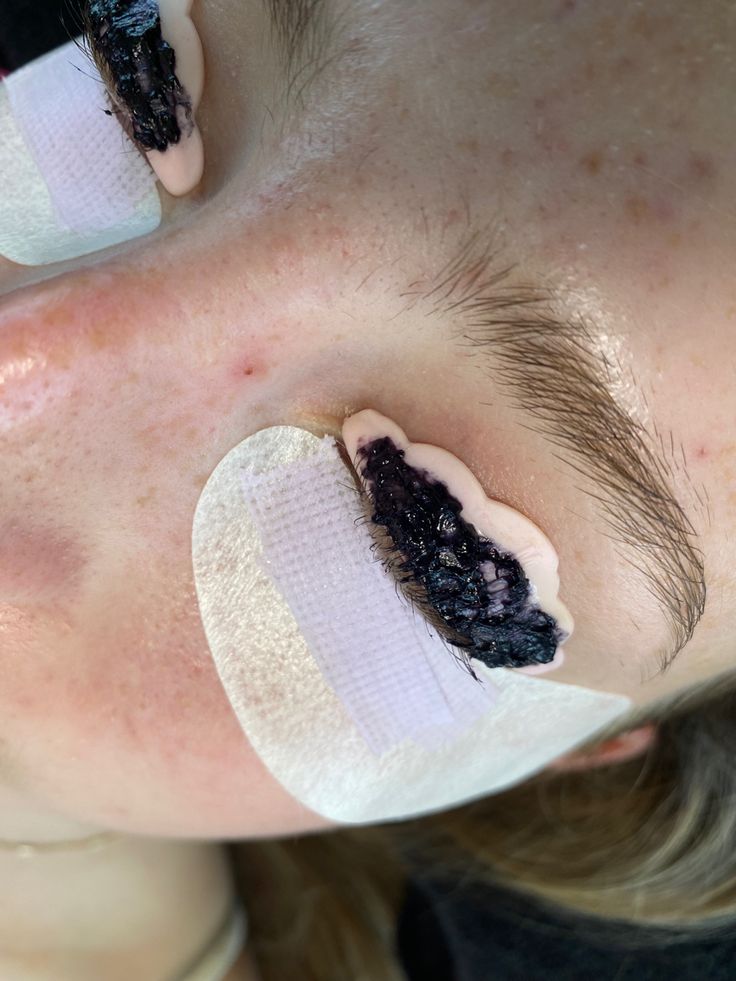
The simplest answer: lash tinting makes your existing lashes look darker. That darker color can create several visual effects.
Your lashes may appear:
- More defined
- More visible against your skin
- Fuller-looking
- More noticeable without mascara
- Slightly more dramatic around the eyes
However, lash tinting does not actually thicken each lash. It also does not stimulate lash growth. If you want more length, volume, or curl, you may need another treatment.
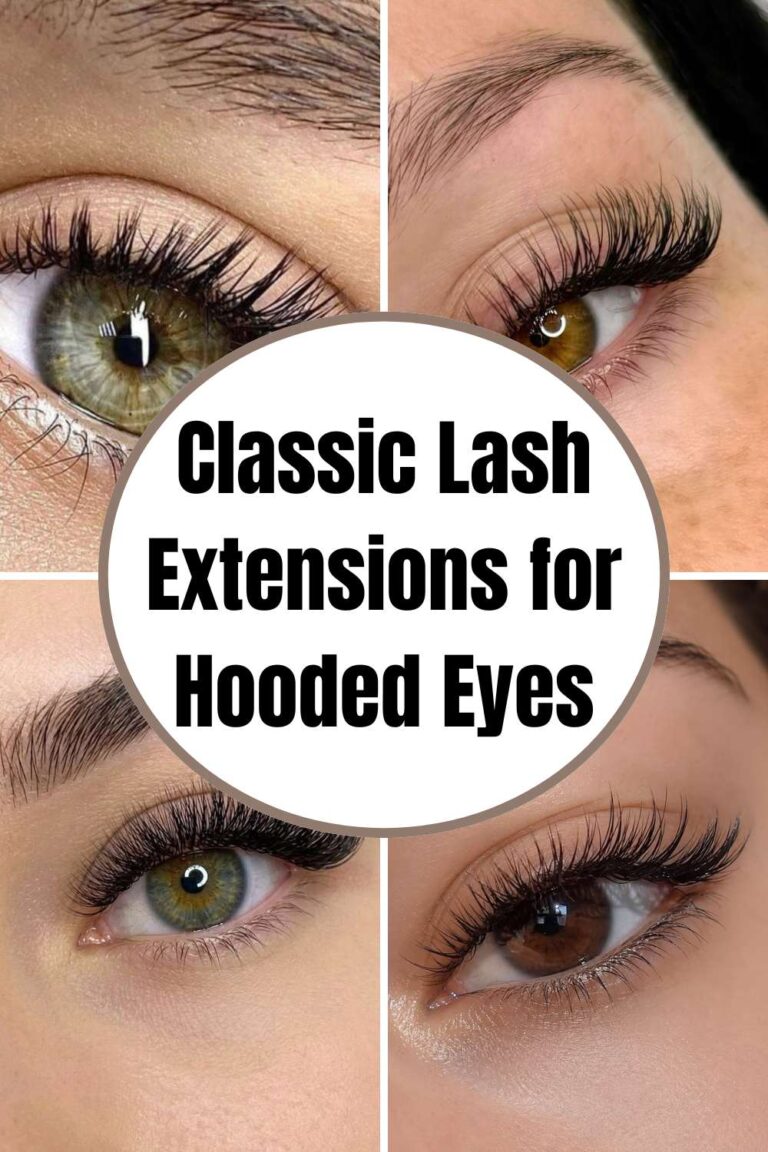
For example, Classic Lash Extensions for Beginners: Everything You Need to Know explains how extensions add visible length and fullness. Meanwhile, lash tinting simply enhances the color of your natural lashes.
Who Might Like Lash Tinting?
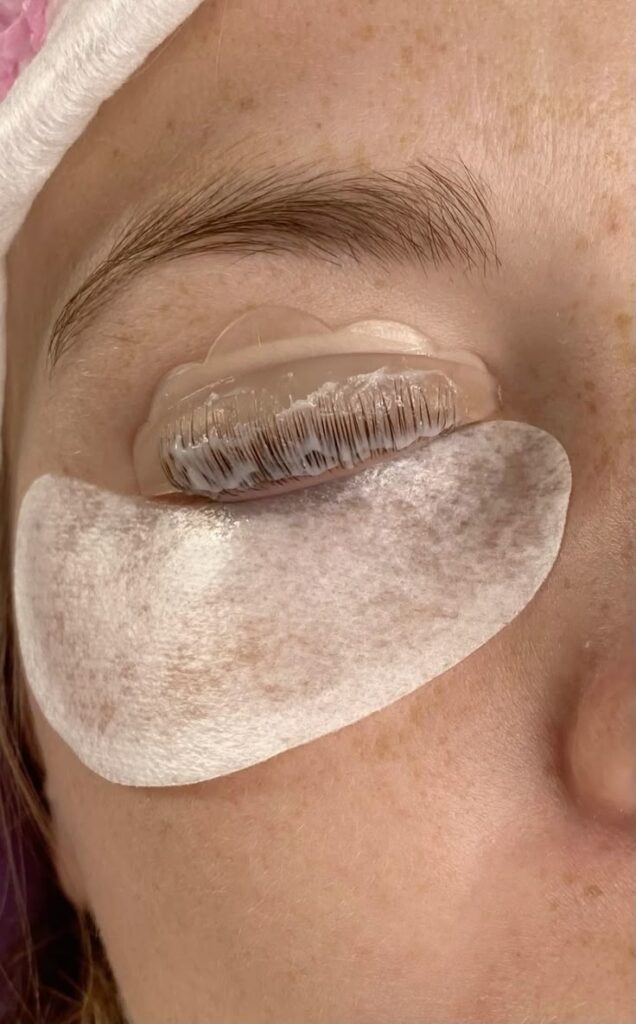
Lash tinting can appeal to people who prefer a low-maintenance makeup routine. You might especially enjoy it if you:
- Have naturally light lashes
- Have lighter tips that disappear without mascara
- Want more eye definition
- Prefer a natural makeup look
- Spend time swimming or exercising
- Want to reduce daily mascara use
- Like a polished look without much makeup
Someone with naturally dark lashes may still enjoy lash tinting, but the visual difference may appear more subtle. Your natural lash color also affects how dramatic the result looks.
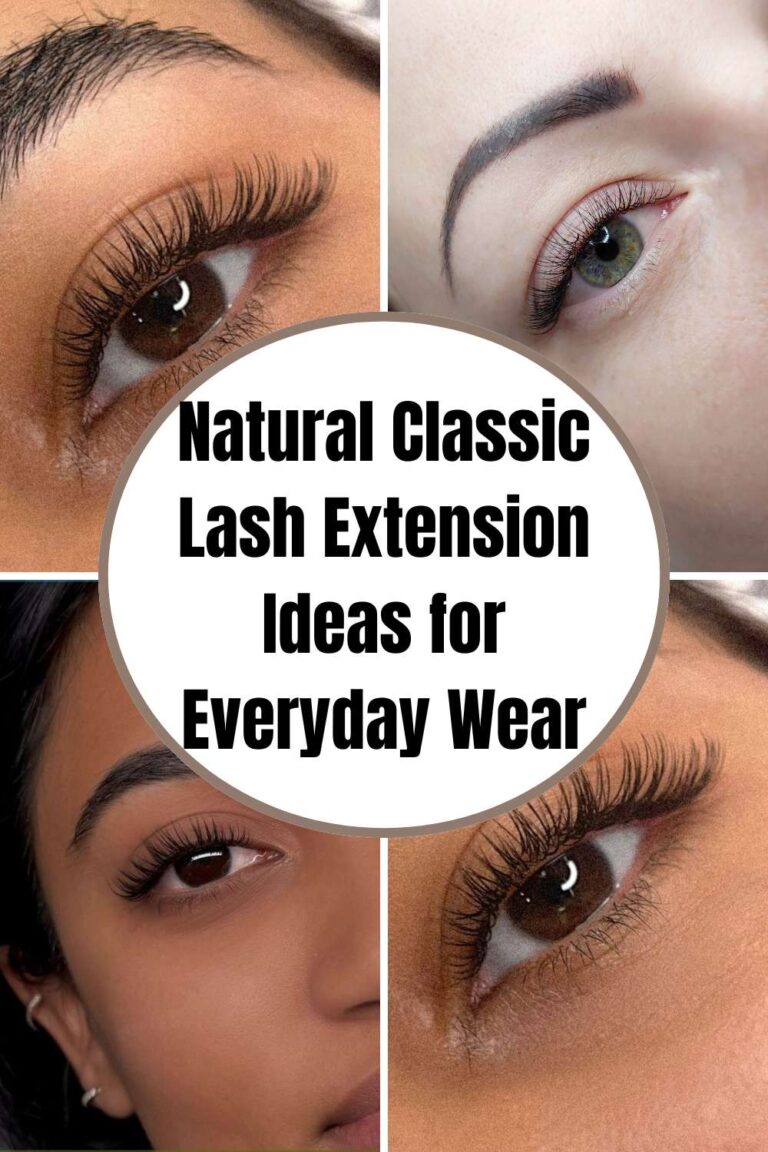
If you want inspiration for subtle enhancement, check out 10 Natural Classic Lash Extension Ideas for Everyday Wear. The styling differs from tinting, but the examples can help you decide how much definition you actually want.
Who Might Want to Skip Lash Tinting?
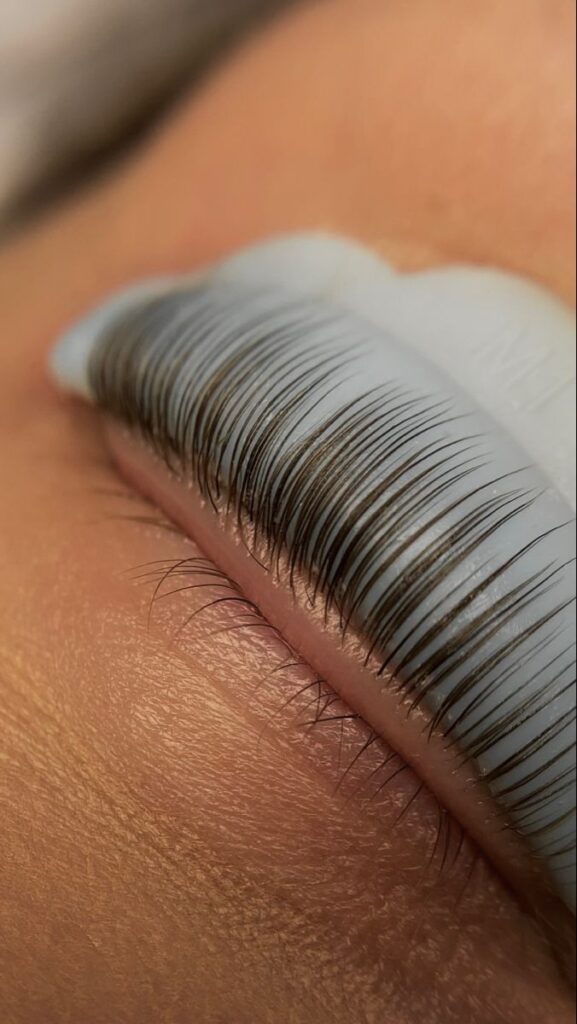
Lash tinting does not suit every beauty routine. If your eyes or surrounding skin react easily to cosmetic products, you should take extra precautions before booking. Tell your technician about previous reactions to hair color, brow tint, lash products, adhesives, or other cosmetics.
A patch test can help identify sensitivity, although a patch test cannot guarantee that your eyes will tolerate the complete service.
You should also postpone the appointment if your eye area feels irritated, inflamed, unusually sensitive, or uncomfortable. Do not try to push through an existing eye problem just to keep a beauty appointment.
Is Lash Tinting the Same as a Lash Lift?
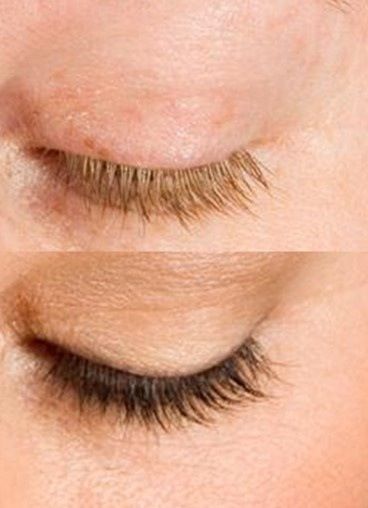
No. Lash tinting and lash lifts perform completely different jobs. Lash tinting adds color. A lash lift changes the appearance of your natural lashes by creating a lifted or curled effect.
Some people combine the two services because the combination can make natural lashes look darker and more lifted.
If you are deciding between them, Lash Lift 101: Everything Beginners Need to Know gives you a better starting point for understanding the lifting process. A tint alone will not give you that curled appearance.
Lash Tinting vs Lash Extensions
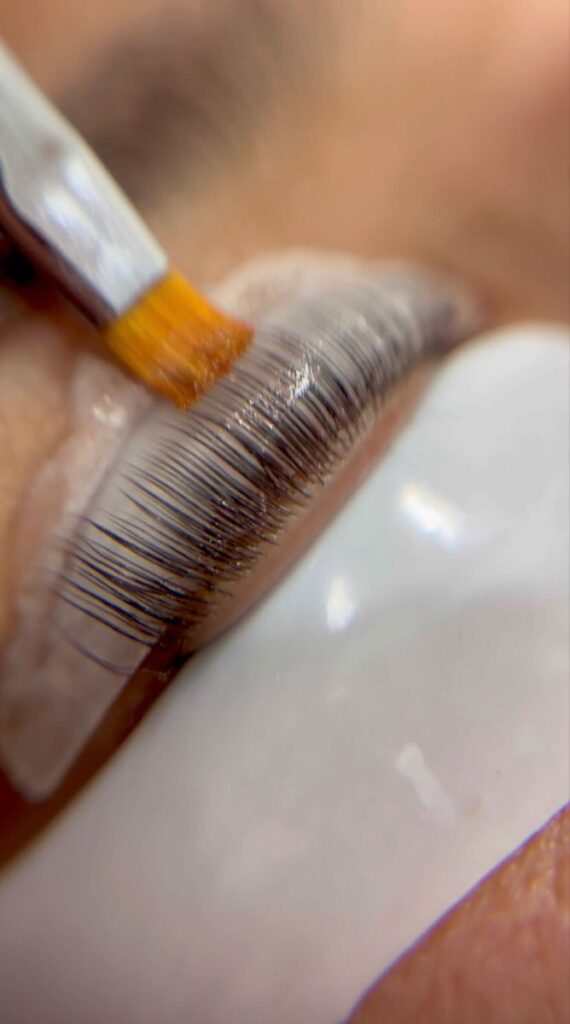
This comparison becomes much easier once you focus on the result you want. Lash tinting works with the lashes you already have. It adds color without adding artificial fibers.
Lash extensions add individual extensions to natural lashes to create extra length, fullness, or styling effects.Extensions can create a much more noticeable transformation, while lash tinting usually creates a softer result.
For a fuller look, explore Hybrid Lash Extensions Explained: The Perfect Mix of Natural and Glam.
If you prefer more dramatic fullness, Volume Lash Extensions: What Makes Them Different? explains another popular option. So, think of it this way:
Tint = darker natural lashes.
Extensions = added length and fullness.
Lift = more visible curl. Once you know that difference, choosing becomes much easier.
What Color Should You Choose?
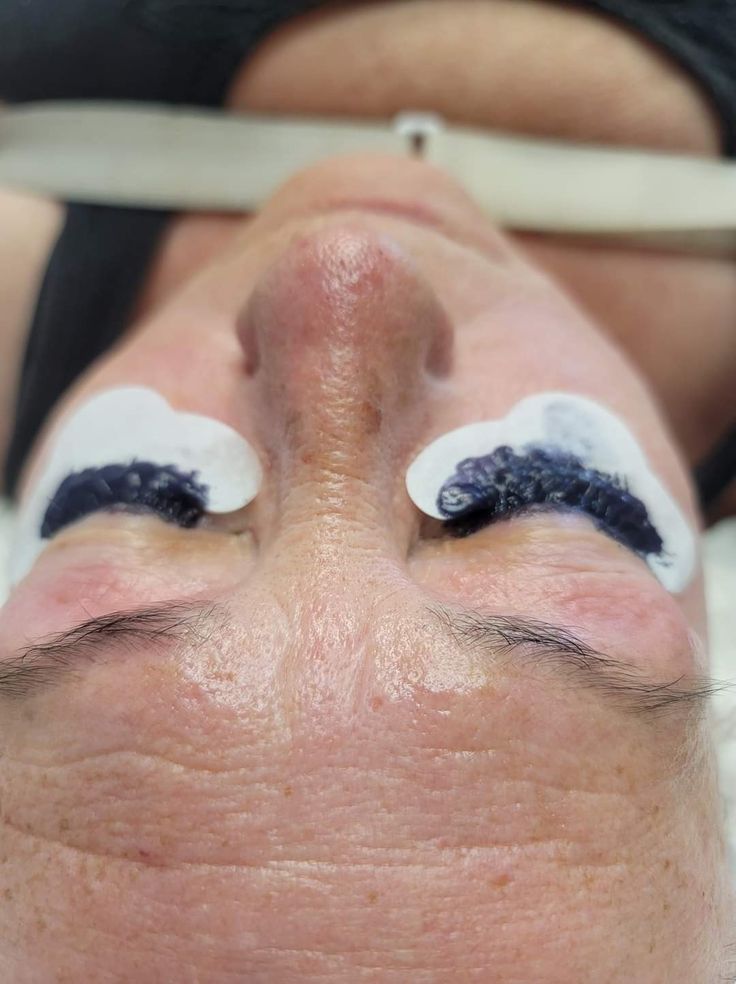
Choosing the right shade can make lash tinting look beautifully natural. Black remains one of the most common choices because it creates strong definition. However, extremely dark color can look more dramatic on someone with very fair coloring.
A softer black or dark brown can create a gentler effect. Your technician should consider your natural lash color, hair color, skin tone, and preferred makeup style.
Tell them if you want a barely-there enhancement rather than a bold result. You can also bring a reference photo, especially if you have a specific look in mind.
How Long Does Lash Tinting Last?
Most lash tints gradually fade as the colored lashes shed and new lashes grow. Many people see results for around three to six weeks, although individual results vary. Your natural lash growth cycle, cleansing habits, makeup use, skincare products, sun exposure, and the specific formula can affect longevity. (Allure)
That gradual fading makes lash tinting fairly easy to maintain. You do not suddenly wake up one morning with a completely different lash color. Instead, the intensity slowly softens.
If you are considering extensions instead, compare the maintenance schedule with How Long Do Classic Lash Extensions Really Last?.
What Happens During a Lash Tinting Appointment?
Your appointment should feel calm and controlled. Here is the basic process you can expect.
1. Consultation
Your technician discusses your desired result and chooses a suitable shade. Use this moment to mention allergies, sensitivities, previous reactions, and other eye-area treatments.
2. Lash Preparation
Your lashes get cleaned thoroughly. Any mascara, eyeliner, oil, or skincare residue needs to come off before the treatment.
3. Eye Protection
The technician protects the surrounding area before applying the tint. This step helps keep the product where it belongs.
4. Tint Application
The technician applies the tint carefully to the lashes. You will usually keep your eyes closed during this part.
5. Processing
The color develops for the recommended time. Your technician controls the timing rather than leaving the product on indefinitely.
6. Removal
The tint gets removed carefully. Your technician cleans the area and checks the finished color. The result should look like your natural lashes, only darker.
Can You Wear Mascara After Lash Tinting?
You may not need mascara after lash tinting, which makes the treatment appealing in the first place. However, you can still use mascara later if you want additional volume or drama.
Choose gentle eye makeup products and remove them carefully. Avoid aggressive rubbing because your lashes and the surrounding skin deserve a light touch.
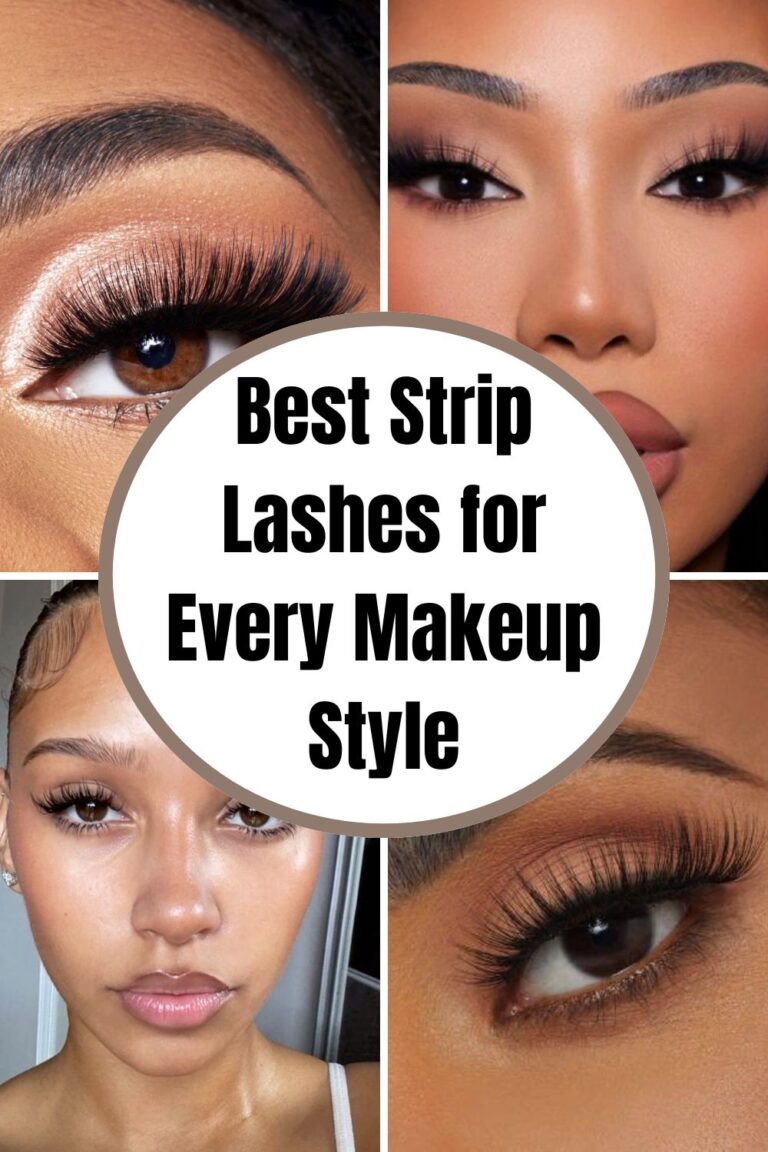
If you love strip lashes, you can still use them as part of your makeup routine. For inspiration, see 25 Best Strip Lashes for Every Makeup Style.
For beginners, 12 Best Strip Lashes for Beginners can help you compare simpler options.
Lash Tinting Aftercare
Good aftercare can help your tint stay attractive for longer. Your technician may recommend avoiding excessive rubbing and harsh products around the eyes immediately after the appointment. Keep your routine gentle.
Avoid Aggressive Cleansing
Scrubbing your lashes can cause unnecessary friction. Instead, use gentle movements when cleaning your face and eye area.
Be Careful With Oils
Heavy oils around the eye area can contribute to faster fading for some tint formulas. If you regularly use oily eye products, ask your technician how they may affect your result.
Remove Makeup Gently
Never tug at your lashes while removing eyeliner or mascara. If you also wear extensions, take extra care because rubbing can shorten their lifespan. Lash Extension Aftercare: The First 24 Hours Matter covers the aftercare habits that help extension wearers.
You can also learn what commonly causes premature shedding in 10 Mistakes That Make Lash Extensions Fall Out Faster.
Can You Shower After Lash Tinting?
Your technician may recommend keeping the area away from excessive water or steam immediately after the appointment, depending on the formula and instructions. Follow the specific aftercare instructions you receive.
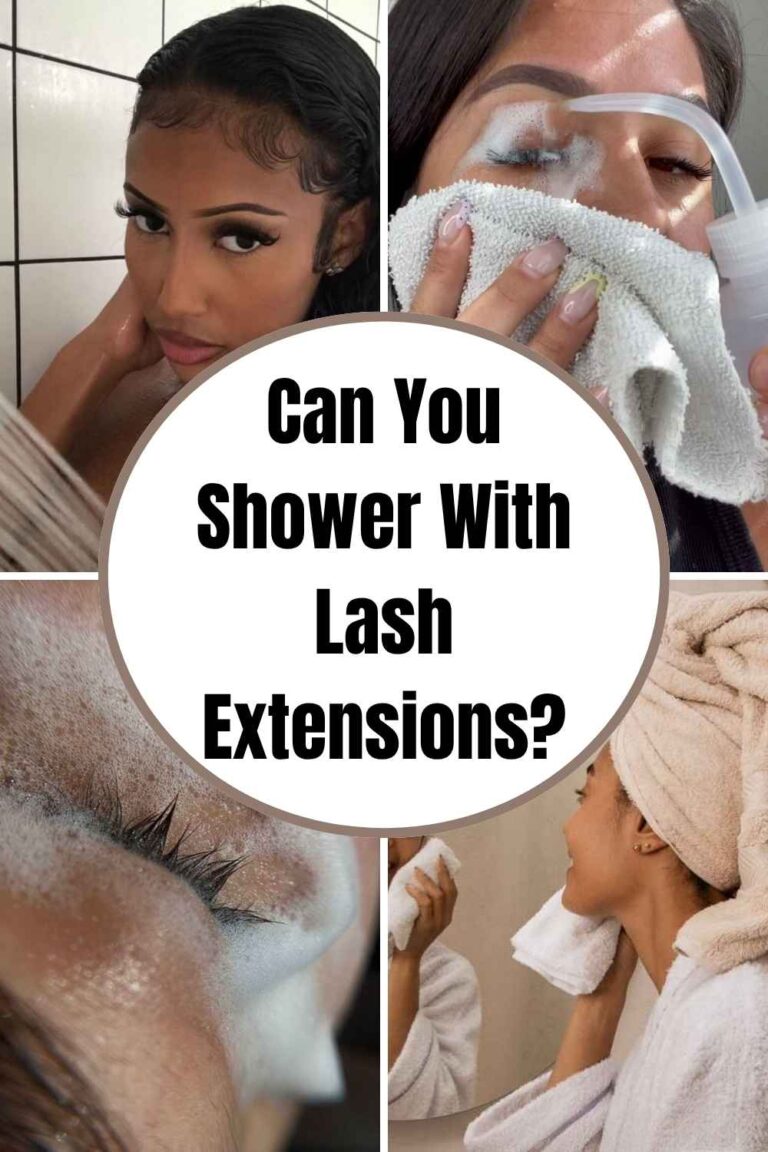
After that initial period, normal showering should fit comfortably into your routine. If you wear extensions too, your shower habits matter even more. Can You Shower With Lash Extensions? explains how water and cleansing can affect extension wear.
What Can Make a Lash Tint Fade Faster?
Several everyday habits can shorten the visible life of lash tinting.
These include:
- Frequent swimming
- Heavy eye makeup
- Strong cleansing products
- Excessive rubbing
- Frequent oil-based products
- Natural lash shedding
- Strong sun exposure
- Frequent washing
Your lifestyle matters. Someone who rarely wears eye makeup may enjoy a different result from someone who removes heavy makeup every night.
Can You Use Lash Extensions With Lash Tinting?
You should not automatically combine lash tinting and extensions. The timing, products, adhesives, and condition of your natural lashes all matter.
If you already wear extensions, ask your lash professional before adding tinting to your routine.
You might also want to compare extension styles first. Classic vs Hybrid Lashes: Which Looks More Natural? can help you understand the difference.
For softer styling, 25 Wispy Lash Extension Ideas for a Soft Glam Look offers plenty of inspiration.
What About Wet-Look Lashes?
Wet-look extensions create a completely different effect from lash tinting. Tinting gives you deeper color. Wet-look extensions create defined, glossy-looking lash styling through extension placement.
If you keep seeing this trend on social media, read What Are Wet Look Lash Extensions? before deciding if the look matches your style.
You can also compare the two trends with Wet Look vs Wispy Lashes: Which Trend Is Right for You?.
What Should You Ask Before Booking Lash Tinting?
Do not feel awkward asking questions before an eye-area beauty treatment. A good consultation should make you feel comfortable and informed.
Ask:
- What tint formula do you use?
- Is the product specifically intended for lashes?
- Do you perform a sensitivity test beforehand?
- How long will the color develop?
- What shade do you recommend for my lashes?
- What aftercare should I follow?
- How long should I expect the color to last?
- What should I avoid before and after the appointment?
- Can I wear mascara afterward?
- How often do you recommend refreshing the color?
You should also mention previous reactions to dyes or cosmetic products. Do not leave out that information just because the reaction happened years ago.
What If You Have Sensitive Skin?
Take extra care. The skin around your eyes can react differently from other areas, so your technician needs to know about previous sensitivity.
A patch test can help identify a reaction before the full appointment, but it does not guarantee that the complete service will cause no reaction. Beauty experts commonly recommend testing products before use when sensitivity presents a concern. (ELLE)
If you notice significant redness, swelling, intense itching, or discomfort after a tint, stop using additional eye products and seek appropriate medical advice. Do not try to cover the reaction with more makeup.
You can also compare materials if you are considering strip lashes. Faux Mink vs Silk Lashes: What’s the Difference? explains how different lash materials can change the final appearance.
Can You Tint Your Lashes at Home?
DIY lash tinting might look easy when you watch a short social media video. The actual process requires much more precision.
Your eyes sit directly beneath the lashes, and the product needs careful placement and controlled timing. Professional beauty sources strongly discourage casual at-home eyelash dyeing because mistakes can expose the eyes to unsuitable products or excessive product.
For that reason, I would not treat lash tinting like applying mascara or strip lashes. If you enjoy DIY beauty, stick to removable options designed for home use.
For example, you can explore Common Strip Lash Mistakes and How to Avoid Them or learn more about Strip Lashes 101: Everything Beginners Need to Know.
Lash Tinting vs Magnetic Lashes
Magnetic lashes offer another temporary way to create darker, fuller-looking lashes. They do not permanently color your natural lashes. Instead, they create a removable makeup look.
If you like changing your style often, compare Magnetic Lashes vs Glue-On Lashes: Which Is Better?.
Beginners can also read the Beginner’s Guide to Magnetic Lashes before trying them.
The advantage of lash tinting comes from its simplicity. You wake up with darker natural lashes rather than applying another product every morning.
Can Lash Tinting Replace Mascara?
For some people, yes. For others, lash tinting simply reduces how often they reach for mascara. The difference depends on your natural lashes and the effect you want. Tinted lashes can look darker and more defined, but mascara can still add:
- Length
- Volume
- Curl
- Texture
- Dramatic definition
So, if you love a bold makeup look, lash tinting may become your base rather than your complete mascara replacement. For a softer everyday option, check out Best Faux Mink Strip Lashes for a Natural Look.
Common Lash Tinting Mistakes to Avoid
Even a simple beauty treatment can go wrong when people rush through it.
Choosing a Color That Looks Too Harsh
Black may sound like the obvious choice, but the darkest shade does not always create the most flattering result. Talk through your desired finish first.
Ignoring Sensitivity
Do not skip a sensitivity discussion. Previous reactions to hair dye or other cosmetic ingredients deserve attention.
Expecting Longer Lashes
Remember, lash tinting changes color. It does not magically increase lash length.
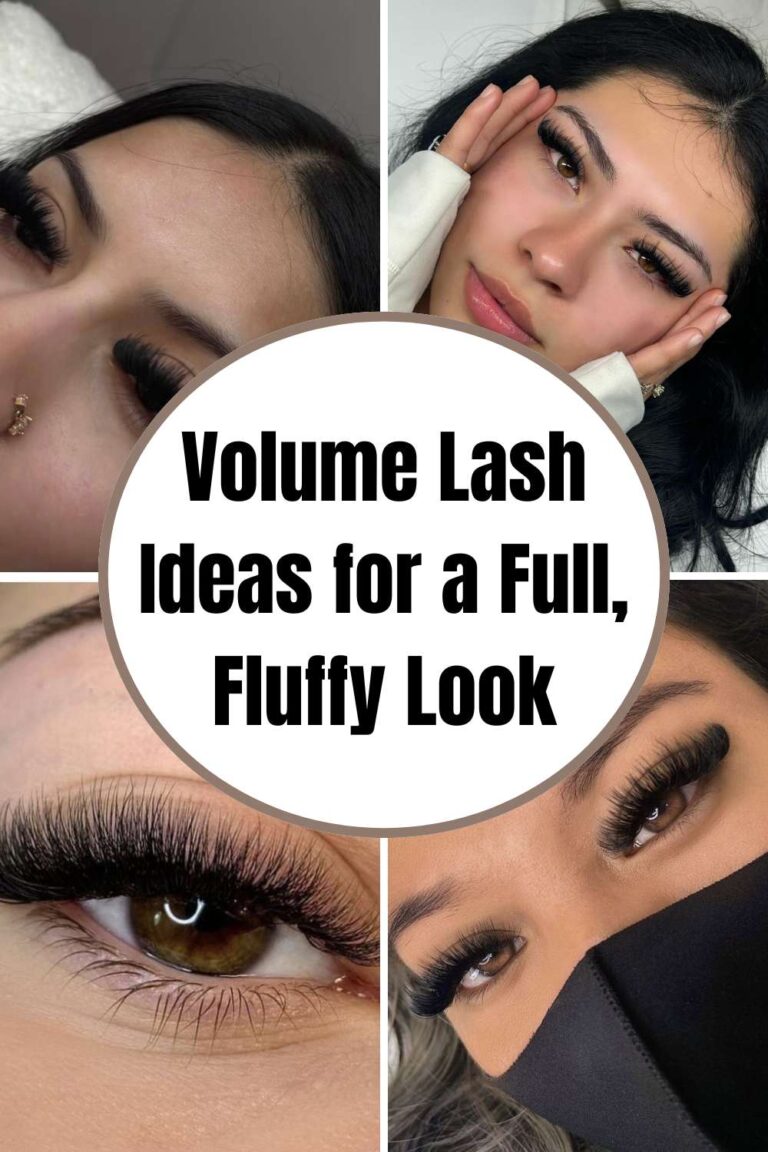
For more style, explore 20 Volume Lash Ideas for a Full, Fluffy Look.
Rubbing Your Eyes
Frequent rubbing can irritate the eye area and interfere with the appearance of your lashes.
Treating Tint Like Permanent Color
Your lashes naturally shed. The color will fade as tinted lashes disappear and new lashes grow. That gradual change makes maintenance part of the experience.
Final Thoughts on Lash Tinting
Lash tinting offers a simple way to make your natural lashes look darker and more defined without adding artificial fibers.
The treatment works particularly well for people with lighter lashes or lighter lash tips who want a more noticeable eye area without relying on mascara every day.
The key comes down to choosing an appropriate lash-specific product, getting the service from someone experienced, discussing sensitivities beforehand, and following the recommended aftercare.
If you are deciding between tinting, lifting, extensions, or temporary lashes, start with the result you want.
Want darker natural lashes? Lash tinting may suit you. Want curl? Consider a lash lift. Want length and fullness? Look into extensions. Want a temporary dramatic change? Strip or magnetic lashes may make more sense.
For another low-maintenance comparison, you can also explore 11 Best Lightweight Strip Lashes for All-Day Comfort.
The beauty of lash tinting lies in its subtlety. You still look like yourself, but your lashes stand out a little more. And sometimes, that small change makes your entire morning routine feel easier.
2 Comments